Bunny with Easter Egg: A Designer’s Review
As an embroidery designer who has spent years digitizing patterns and testing them on everything from stiff denim to delicate baby knits, I approach every new machine embroidery design with a critical eye. It is not enough for a motif to look cute on a screen; it must hold up under the needle. Recently, I evaluated the Bunny with Easter Egg design to determine its viability for real-world projects. This is not just a seasonal graphic; it is a potential asset for craft businesses, Etsy sellers, and hobbyists looking to add whimsy to their inventory.
First Impressions and Visual Personality
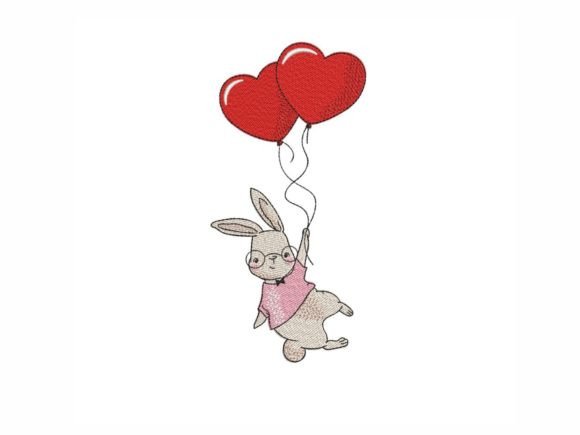
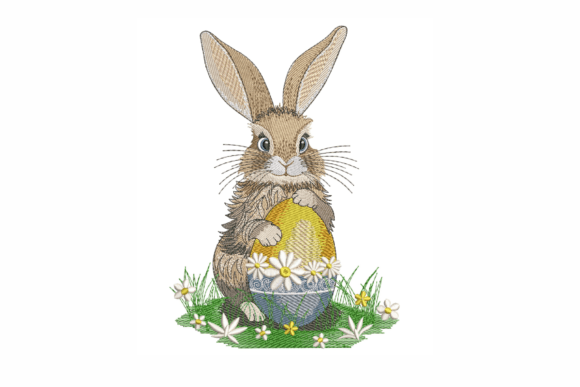
The immediate appeal of the Bunny with Easter Egg lies in its balanced composition. The silhouette is clean, avoiding the chaotic clutter that often plagues holiday-themed graphics. The bunny appears approachable and soft, while the egg provides a focal point that anchors the design. For a designer, this layout suggests versatility. It does not scream "disposable holiday decor." Instead, it offers a touch of charm that can elevate a simple textile into a cherished keepsake.
The mood created is one of gentle celebration. It fits seamlessly into the broader category of Easter themes without relying on overly aggressive colors or complex shading that might complicate stitching. When I first loaded the embroidery file into my simulation software, the stitch paths looked logical. There were no obvious jumps or excessive trims that would slow down production time, which is a crucial consideration for anyone running a small shop product line.
Real-World Application: The Tote Bag Test
To truly understand how this design performs, I simulated its application on a canvas tote bag. This is a popular item for spring markets and boutique branding. The Bunny with Easter Egg sits comfortably on the flat surface of a tote, where the fabric tension is consistent. In this scenario, the design acts as a central hero element. I envisioned using pastel thread colors to complement the natural tone of the canvas, creating a soft, handmade aesthetic that appeals to buyers seeking unique, personalized gifts.
Beyond totes, this motif translates well to home decor. Imagine it stitched onto a linen pillow cover or a kitchen tea towel. The whimsical nature of the bunny adds character to neutral interiors. For apparel decorators, this design is ideal for children’s sweatshirts or adult caps. On a curved surface like a cap, however, one must be mindful of the hoop size and placement to ensure the design does not distort. The simplicity of the bunny’s shape helps here, as it is less likely to pucker than a highly dense, complex image.
Technical Considerations for Stitching
While the visual appeal is strong, the technical execution requires attention to detail. Any experienced maker knows that the success of an embroidery project depends heavily on the interaction between thread, fabric, and stabilizer. The Bunny with Easter Egg likely utilizes a combination of satin stitches for outlines and fill stitches for the body of the bunny and the egg. This mix creates texture and depth, but it also demands proper stabilization.
If you are stitching on stretchy fabric, such as a jersey t-shirt or a baby onesie, using a cut-away stabilizer is non-negotiable. The weight of the fill stitches can cause lightweight fabrics to pucker if not supported correctly. Conversely, for stable fabrics like towels or denim, a tear-away stabilizer may suffice. I always recommend testing the design on scrap fabric first. This allows you to check the stitch density and ensure that the details remain crisp. Tiny elements, such as the bunny’s eyes or decorative accents on the egg, can get lost if the tension is too tight or if the thread color lacks contrast against the background.
Navigating Fabric and Color Challenges
One common pitfall in holiday embroidery is poor color choice. The Bunny with Easter Egg should be approached with a strategic palette. On dark fabrics, light thread colors will pop, but you must ensure the underlying fabric does not show through the stitches. Using an underlay or a matching topstitch thread can help mitigate this. On white or light fabrics, subtle pastels work beautifully, but be cautious with very light threads that might blend in too much, reducing the design’s clarity.
Textured fabrics present another challenge. If you are stitching on a waffle-weave towel or a fuzzy fleece, the small details of the design might get obscured by the fabric’s pile. In such cases, simplifying the thread count or choosing a slightly larger hoop size to allow for better spacing can improve the final look. Always inspect the small details after a test run. If the edges of the bunny look ragged, adjust your tension or switch to a sharper needle.
Commercial Viability and Brand Consistency
For Etsy sellers and creative entrepreneurs, the Bunny with Easter Egg offers significant commercial potential. It is a versatile design asset that can be used across multiple product lines. Whether you are creating custom apparel, embroidered patches, or nursery decor, this design maintains a professional appearance that builds customer trust. A well-stitched finished product reflects positively on your brand consistency, encouraging repeat business.
However, before listing items for sale, you must confirm the licensing terms. The product description mentions that the design comes with specific files, but it is vital to verify whether the license allows for commercial use of the finished product. Most reputable designers provide clear guidelines on this. Additionally, ensure you have the correct file formats for your machine. While many modern machines accept various digital embroidery file types, compatibility issues can arise if you do not have the correct version.
Practical Designer Notes
To maximize the quality of your output with the Bunny with Easter Egg, keep these practical tips in mind:
- Test on Scrap Fabric: Never stitch directly on your final garment. Use a similar fabric scrap to check tension and density.
- Check Thread Contrast: Ensure your thread colors stand out against the fabric background for maximum visual impact.
- Review Stitch Density: If the design feels too stiff after stitching, consider reducing the density in your editing software if possible, or use a lighter stabilizer.
- Confirm Hoop Size: Make sure your hoop is large enough to accommodate the entire design without re-hooping, which can cause alignment issues.
- Inspect Small Details: Zoom in on the preview to ensure tiny elements like eyes or whiskers are distinct and not merged.
- Use Proper Stabilizer: Match the stabilizer type to the fabric weight and stretchiness.
- Verify Licensing: Always read the license agreement to confirm you can sell items made with this design.
In conclusion, the Bunny with Easter Egg is a solid addition to any spring-themed collection. It balances charm with technical feasibility, making it suitable for both novice hobbyists and seasoned professionals. By paying attention to fabric choice, stabilization, and thread selection, you can create high-quality handmade products that resonate with customers. Whether used for a personalized gift or a small shop merchandise line, this design delivers the whimsy and professionalism needed to stand out in a crowded market.