Clownfish: A Designer’s Review for Personalized Gifts
As an embroidery designer who has spent years testing digital files for real-world application, I approach every new machine embroidery design with a critical eye. It is not enough for a pattern to look good on a screen; it must hold up under the needle, survive the wash cycle, and resonate emotionally with the end buyer. Recently, I had the opportunity to test the Clownfish design, a vibrant addition to the Fish category that promises to bring the beauty of the sea to life. My goal was to determine if this captivating Nemo fish embroidery design is suitable for high-end personalized gift products, particularly for my clients who run small shops and Etsy stores.
First Impressions: Mood and Visual Appeal
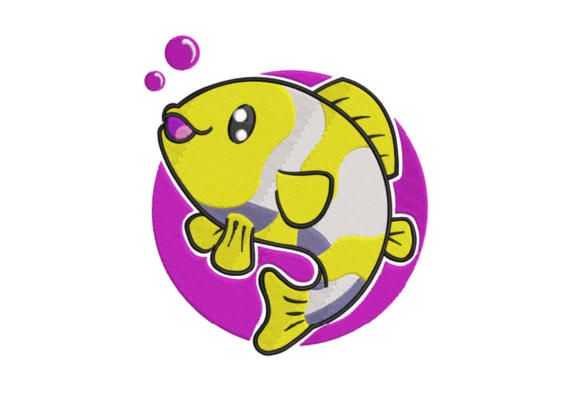
The first thing that strikes you about Clownfish is its immediate charm. The description notes that it is "rich in color and delightful in detail," and upon loading the digital embroidery file into my software, I found this to be accurate. The design flaunts a curved silhouette that imparts a sense of movement, making it feel alive rather than static. For a designer, this flow is crucial. Static images can look stiff when stitched, but the organic curves here suggest a playful, sweet, and modern aesthetic.
The emotional appeal of this piece is strong. It evokes nostalgia and joy, largely due to its resemblance to the beloved character Nemo. This makes it an instant candidate for baby-related products and family keepsakes. It does not feel overly romantic or strictly seasonal; instead, it possesses a timeless, classic quality that fits well within contemporary nursery decor. The level of detail is balanced—complex enough to look professional and high-value, yet not so dense that it becomes a nightmare to stitch out on standard home machines.
Product Applications for the Modern Maker
When planning a product line, versatility is key. I tested Clownfish across several potential substrates to see where it shines brightest. For baby product creators, this design is a standout. Imagine it centered on a soft, pastel-colored baby blanket. The bright oranges and whites of the fish pop beautifully against muted backgrounds, creating a focal point that parents will love. It works equally well on nursery items, such as wall hangings or crib sheets, adding a whimsical touch to the room.
Beyond the nursery, this embroidery file has significant potential for kitchen and home goods. An embroidered towel featuring this clownfish can transform a mundane household item into a charming personalized gift. I envision it stitched onto the corner of a hand towel or the hem of an apron, appealing to customers who love ocean-themed decor. For wedding gift designers, while it may not be traditional, it could serve as a unique, playful element in a bridal shower gift set, perhaps paired with other sea-life motifs for a cohesive theme.
Etsy sellers and small business owners will appreciate how photogenic this design is. The high contrast and clear lines make for excellent product photography. Whether displayed on a pillow cover or a custom tote bag, the finished product looks crisp and professional. This visual clarity helps in creating printable mockups that drive buyer engagement online.
Navigating Technical Challenges and Fabric Choices
While Clownfish is visually stunning, a responsible designer must address where it should be used carefully. The success of any custom embroidery project relies heavily on the interaction between the thread, the fabric, and the stabilizer. Here are the specific areas where I recommend caution:
- Fabric Texture and Thickness: The design features delightful details that may get lost on highly textured fabrics like thick terry cloth towels. If using it on an embroidered towel, ensure the pile is low enough to let the stitches sit on top. Conversely, on very thin or stretchy baby clothes, the stitch density must be managed to prevent puckering.
- Dark Fabrics: Since the clownfish is primarily light-colored with bright accents, stitching it directly onto dark fabric requires careful planning. You may need an underlay or a backing patch to ensure the colors remain vibrant and do not appear muddy.
- Curved Surfaces: When applying this to curved items like pillow covers or tote bags, hooping can be tricky. Ensure your hoop size is appropriate for the design dimensions to avoid distortion. Always use a proper stabilizer to support the fabric during the stitching process.
- Small Lettering and Details: If you plan to combine Clownfish with text, be mindful of the scale. The intricate details of the fish should not compete with small lettering. Keep personalization simple and bold to maintain readability and aesthetic balance.
Enhancing Perceived Value and Customer Trust
In the world of handmade products, perceived value is everything. A well-executed Clownfish embroidery signals quality. It shows that the maker has invested time in selecting a detailed, professional-grade design. This builds customer trust. When a buyer receives a baby blanket or a tote bag with such a crisp, colorful image, they perceive it as a premium item. This emotional connection encourages repeat business and positive reviews, which are vital for any Etsy seller or small shop owner.
Furthermore, the playful nature of the design invites engagement. Customers are more likely to share photos of cute, recognizable characters on social media, providing free marketing for your brand. By offering this as part of a commercial embroidery lineup, you tap into a market that values both aesthetics and sentimentality.
Practical Notes for the Embroiderer
Before you list this as a small shop product, there are essential steps to take to ensure consistency and quality. As a professional, I always advise the following workflow:
- Test on Scrap Fabric: Never skip the test stitch. Run the design on the exact fabric you intend to sell. This allows you to check thread color contrast and adjust tension if necessary.
- Check Stitch Density: Review the design settings in your software. If the density is too high for lightweight fabrics, consider resizing or adjusting the pull compensation to prevent damage to the material.
- Confirm Hoop Size: Ensure the design fits comfortably within your standard hoop sizes. If it requires a large hoop, factor that into your pricing and production time.
- Use Proper Stabilizer: Match the stabilizer to the fabric. Cut-away stabilizers are often best for garments that will be washed frequently, while tear-away may suffice for decorative items like wall hangings.
- Verify Licensing: Always confirm commercial licensing terms before selling finished products. Ensure your purchase of the digital embroidery file grants you the right to use it for commercial purposes.
In conclusion, Clownfish is a robust and charming addition to any embroidery designer’s library. It bridges the gap between playful novelty and professional quality, making it an excellent choice for a wide range of personalized gifts. By respecting the technical nuances of fabric and stitch, you can create products that not only look beautiful but also stand the test of time. Whether for a baby shower, a housewarming, or a custom order, this design offers the warmth and detail that customers crave in handmade treasures.