Ribbon Laydown Stitch: A Designer’s Craft Fair Review
As an embroidery designer who has spent countless weekends behind a folding table at local markets, I have learned that not every machine embroidery design is created equal when it comes to sales. Some designs look beautiful on a screen but fail to catch the eye of a passerby. Others are so complex they take hours to stitch, eating into profit margins. Today, I am reviewing the Ribbon Laydown Stitch, a digital asset that promises to unlock limitless possibilities for your crafting endeavors. I evaluated this piece specifically through the lens of a craft fair seller preparing for a busy weekend booth.
First Impressions and Visual Appeal
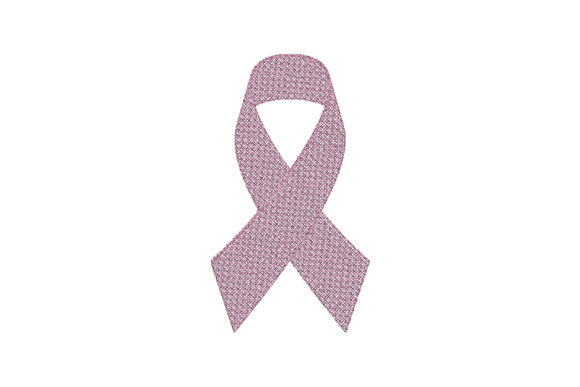
The first thing I look for in a new embroidery file is its immediate visual impact. The title Ribbon Laydown Stitch suggests a technique that mimics the soft, dimensional look of real ribbon work without the fragility of actual fabric ribbons. In the context of Awareness and brand building, this design feels elegant yet approachable. It does not scream for attention with neon brightness; instead, it invites closer inspection. This is crucial for a handmade product because it encourages customers to pick up the item, feel the texture, and engage with the quality of the work.
The aesthetic leans towards the premium and decorative side of the spectrum. It is not overly rustic or strictly modern, which gives it versatility. For a boutique maker, this means the design can fit into a farmhouse kitchen display just as easily as it can adorn a chic tote bag in a urban market setting. The "laydown" aspect implies smooth, flowing lines that likely sit flat against the fabric, reducing the risk of snagging—a practical concern for items like tea towels and aprons that see daily use.
Product Versatility for the Craft Fair Booth
When planning my inventory, I need designs that work across multiple categories to maximize the utility of a single purchase. Here is how I envision using the Ribbon Laydown Stitch across various craft fair products:
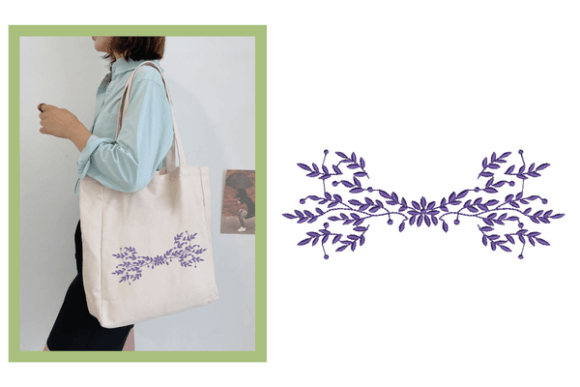
- Tote Bags and Market Bags: This is perhaps the strongest application. A large-scale version of this design centered on a canvas tote creates an instant focal point. It transforms a basic bag into a tote bag design that feels custom and high-end. The smooth stitches photograph beautifully for online listings, making it a strong candidate for an Etsy seller looking to expand their digital or physical catalog.
- Aprons and Tea Towels: For kitchen textiles, the design needs to be durable. Since this is a laydown stitch, it likely avoids excessive bulk, making it ideal for apron embroidery pockets or the corners of tea towel embroidery projects. Customers love items that look delicate but are machine-washable, and this style bridges that gap effectively.
- Embroidered Patches and Caps: If the design scales down well, it could serve as a sophisticated embroided patch. However, curved surfaces like caps require careful testing. The design must not distort when hooped on a curved cap frame. If the lines are too long without tacking stitches, they might pucker, so this requires a test run.
- Pillow Covers and Home Decor: As a central motif on a linen pillow cover, the design adds a touch of Embroidery artistry that elevates the perceived value of the home good. It works well as a standalone statement piece or as part of a coordinated set.
Production Practicality and Batch Selling
For a small shop owner, time is money. A design that looks great but takes four hours to stitch is not viable for a high-volume craft fair. The Ribbon Laydown Stitch appears to prioritize flow over excessive density. This is a positive indicator for production speed. Lower stitch density generally means faster run times and less thread consumption, which directly improves profit margins on each small shop product.
Furthermore, the design’s clarity at a glance is a major selling point. In a busy market environment, customers scan tables quickly. A design with clear, recognizable shapes stops the scroll of the eye. Whether used as a large focal design on a tote or a small accent on a pouch, it needs to read clearly from three feet away. Based on the description, this design seems to offer that balance of detail and simplicity.
Photography and Online Presence
Beyond the physical booth, this design shines in digital marketing. Smooth, ribbon-like stitches reflect light evenly, making them easier to photograph than highly textured or piled stitches. When creating a printable mockup or shooting real photos for your Etsy listings, the clean lines of the Ribbon Laydown Stitch will stand out against various background colors. This versatility allows you to create cohesive design assets for your social media, reinforcing brand consistency.
Critical Considerations and Careful Use
While the potential is high, there are technical aspects every embroiderer must consider before launching this as a commercial embroidery product. No digital file is plug-and-play for every scenario.
- Fabric Texture and Stability: Ribbon-style stitches can sink into plush or textured fabrics like terry cloth towels. If you are stitching on thick fabric, you may need a cutaway stabilizer to prevent the design from pulling or distorting. Always test on scrap fabric first.
- Thread Contrast: Because the design relies on the illusion of a ribbon, thread choice is critical. Using a satin or rayon thread with a slight sheen will enhance the "ribbon" effect. Matte cotton threads might make the design look flat. Experiment with thread colors that contrast subtly with the base fabric to highlight the dimensionality.
- Scaling Issues: Be cautious when shrinking the design. Tiny details in ribbon laydown stitches can lose clarity if scaled down too far. If the design includes small lettering or intricate turns, ensure it remains legible at smaller sizes. If it becomes a blob of thread, it loses its appeal as a premium item.
- Dark Fabrics: If stitching on dark fabric, ensure the design does not have large open areas that might show the backing or stabilizer. You may need to adjust underlay stitches or use a topping if working with textured dark materials.
Designer Notes for Successful Execution
Before you commit to producing a full batch of finished products, follow these steps to ensure quality control. First, confirm the hoop size requirements. Does the design fit in a standard 5x7 hoop, or does it require a larger frame? This affects which blanks you can use. Second, check the file format compatibility with your specific machine. While most modern machines read common formats, it is best to verify this in the product details.
Most importantly, review the licensing terms. The description mentions it is a downloadable design for crafting endeavors, but you must confirm it includes commercial rights if you plan to sell the physical items. Assuming it does, create at least one real mockup on your intended product—whether it is a tote or a pillow. Compare how it looks on different fabric colors. A navy blue tote might require a different thread palette than a natural linen one.
In conclusion, the Ribbon Laydown Stitch offers a blend of elegance and practicality that suits the modern handmade market. It is particularly strong for tote bag design applications and home decor items where a touch of sophistication increases perceived value. By paying attention to stabilizer choice, thread selection, and appropriate scaling, you can turn this digital embroidery file into a bestseller at your next craft fair. It is a reminder that in the world of Embroidery, the right design choice can elevate a simple item into a cherished keepsake.