Easter Napkin Design Review for Holiday Sellers
As an embroidery designer who spends countless hours digitizing and testing patterns, I know that the difference between a bestseller and a forgotten file often comes down to seasonal timing and visual appeal. When I first loaded the Easter Napkin machine embroidery design onto my screen, I was immediately struck by its balance of elegance and playfulness. This is not just another generic spring pattern; it is a carefully curated piece intended to elevate your seasonal product line. For Etsy sellers, small shop owners, and handmade gift makers, understanding how this design translates from a digital embroidery file to a finished product is crucial for maximizing sales during the busy holiday rush.
First Impressions: Mood and Aesthetic Appeal
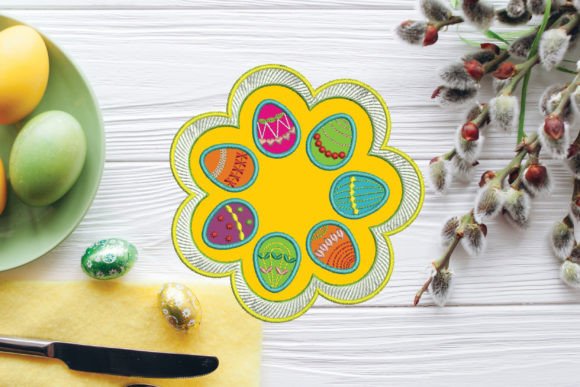
The initial viewing of the Easter Napkin design reveals a sophisticated approach to holiday embroidery. The composition features intricate embroidery of colorful Easter eggs, delicate flowers, and playful elements that evoke a sense of renewal and joy. The aesthetic leans towards a refined, slightly rustic charm rather than overly cartoonish imagery. This makes it versatile enough for a wide demographic, from young families looking for cute baby items to adults seeking premium home decor.
The emotional tone is warm and inviting. It captures the essence of spring—fresh, bright, and hopeful. For a designer, this is vital because buyers are not just purchasing a stitch pattern; they are buying into a feeling. Whether you are creating a personalized gift for a grandmother or a limited-edition apparel drop, the design’s ability to convey coziness and celebration ensures it resonates with customers scrolling through social media previews or browsing craft fair displays.
Strategic Product Applications for Seasonal Sales
One of the strongest assets of the Easter Napkin design is its adaptability across various substrates. As you plan your seasonal embroidery collection, consider how this design can be applied to different products to maximize reach and revenue.
- Kitchen Towels and Table Linens: Given the name and motif, this is the most obvious application. The design shines on high-quality linen or cotton towels. The delicate flowers and eggs create a beautiful centerpiece for spring table settings, appealing to hosts who love entertaining.
- Sweatshirt Embroidery: Spring weather can be unpredictable. A well-placed Easter Napkin design on the chest or sleeve of a pastel-colored sweatshirt creates a trendy, wearable piece of art. Ensure you adjust the stitch density for knit fabrics to prevent puckering.
- Tote Bag Design: Canvas tote bags are perennial favorites for Easter basket stuffing. The colorful eggs provide a vibrant contrast against natural canvas, making for a practical and stylish accessory for church services or egg hunts.
- Pillow Covers and Home Decor: Transform a plain throw pillow into a seasonal statement piece. The intricate details look particularly luxurious on textured fabrics like tweed or heavy cotton, adding depth to living room decor.
- Embroidered Patches: If you want to offer versatility, stitch the design onto felt or twill to create iron-on or sew-on patches. These can be sold separately or used to customize denim jackets and hats, appealing to a younger, trend-focused audience.
Navigating Technical Challenges and Fabric Choices
While the Easter Napkin design is visually stunning, successful execution requires attention to technical details. As an experienced designer, I advise caution when applying intricate designs to challenging materials. Here are key considerations to ensure your finished product meets professional standards.
Fabric Texture and Stabilizer Selection: The level of detail in the flowers and eggs means that fabric texture plays a significant role. On thick towels, ensure your stabilizer is robust enough to support the weight of the stitching without causing stiffness. For stretchy garments like sweatshirts, a cut-away stabilizer is non-negotiable to maintain shape after washing. Always test on scrap fabric before committing to your final inventory.
Thread Colors and Contrast: The design relies on colorful Easter eggs to pop. When working on dark fabric, you may need to adjust the thread colors or add a white underlay to ensure visibility. Conversely, on light fabrics, choose vibrant, saturated threads to prevent the design from looking washed out. Metallic threads can add a premium touch to the egg details, but they require slower stitching speeds and careful tension adjustments to avoid breakage.
Hoop Size and Placement: Before purchasing or downloading, confirm the available hoop size options for this digital embroidery file. Intricate designs can lose clarity if scaled down too much for small hoops. If you are placing the design on curved caps or small baby items, verify that the smallest version retains its legibility. Tiny lettering or fine lines may merge if the scale is reduced beyond the designer’s recommended limits.
Boosting Brand Value and Customer Engagement
Incorporating the Easter Napkin design into your shop does more than fill inventory; it enhances your brand’s seasonal relevance. Holiday shoppers are looking for convenience and uniqueness. By offering coordinated items—such as a matching kitchen towel and apron set—you increase the perceived value of your products. This strategy encourages bundle purchases, which boosts average order value.
Visual recognition is key during the crowded holiday shopping period. Use high-quality printable mockups to showcase the design on various products in your Etsy listings. Show the embroidery up close so customers can appreciate the stitch quality and color blending. Social media previews featuring the design in real-life settings—such as a styled Easter brunch table—can significantly drive engagement. When customers see how the design fits into their lives, they are more likely to trust your brand and make a purchase.
Furthermore, consistent use of high-quality seasonal embroidery builds customer trust. When buyers receive a finished product that looks professional and durable, they are more likely to return for future holidays. This design, with its elegant and timeless appeal, serves as a strong foundation for building that loyalty.
Practical Designer Notes for Commercial Use
Before you begin mass production or listing items for sale, there are several administrative and technical steps to take. First, always check the commercial licensing terms associated with the digital embroidery file. Ensure you have the right to sell finished products made with this design, especially if you are operating as a commercial embroidery business.
Second, conduct thorough testing. Stitch out the design on every fabric type you intend to sell. Check for thread breaks, nesting, or registration issues. Pay special attention to the transition areas between the colorful eggs and the delicate flowers, as these are common spots for tension problems. Adjust your machine settings accordingly.
Finally, plan your marketing around the design’s strengths. Highlight the "handmade" and "personalized gift" aspects in your product descriptions. Emphasize the quality of the embroidery and the thoughtfulness of the design. By treating the Easter Napkin not just as a pattern but as a core component of your seasonal strategy, you can create a cohesive and profitable collection that delights customers and stands out in the marketplace.
In conclusion, the Easter Napkin machine embroidery design offers a blend of artistic charm and commercial viability. With careful attention to fabric choice, stabilizer use, and marketing presentation, it can become a standout item in your spring lineup. Whether you are decorating pillow covers, creating tote bag designs, or stitching up kitchen towel embroidery, this pattern provides the festive flair needed to capture the spirit of the season.