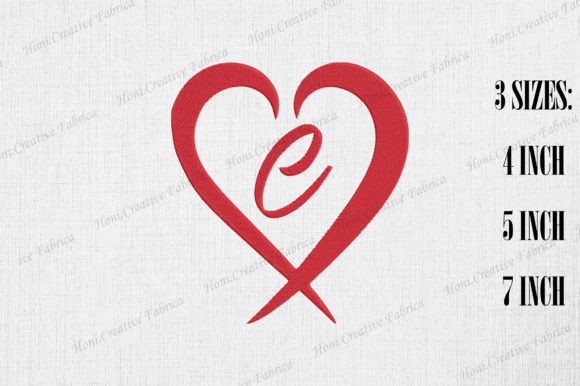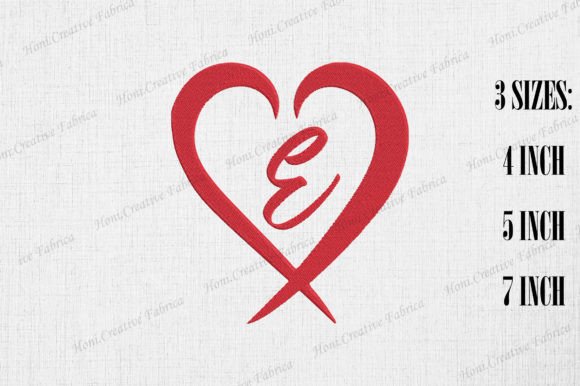
Review: Letter E with Heart Valentine s Day
As an embroidery designer who has spent years digitizing and testing files for commercial use, I approach every new machine embroidery design with a critical eye. It is not just about whether the design looks cute on a screen; it is about how it performs under the needle, how it holds up after washing, and most importantly, how it serves the brand identity of the small business owner using it. Today, I am reviewing the Letter E with Heart Valentine s Day design to determine its viability for branded merchandise, staff uniforms, and boutique product lines.
The first impression of this design is one of approachable warmth. By combining a standard alphabet character with a heart motif, the design bridges the gap between professional branding and personal connection. For businesses operating in the care, food, or creative sectors, this visual language speaks volumes. It feels friendly, handmade, and inviting rather than cold or corporate. However, from a technical standpoint, we must look deeper than aesthetics to ensure this embroidery file delivers a high-quality finished product.
Real-World Applications for Small Business Merch
When evaluating a design for commercial embroidery, versatility is key. The Letter E with Heart Valentine s Day offers several strong use cases for small business owners, Etsy sellers, and apparel decorators. Here is how I envision this design performing in real-world scenarios:
- Branded Patches: This design is ideal for creating iron-on or sew-on patches. A patch allows for flexibility, letting you apply the branding to jackets, bags, or hats without committing to direct embroidery on every item. The heart element adds a unique twist to a standard initial, making the patch feel like a collectible item rather than just a logo.
- Staff Uniforms and Aprons: For cafes, bakeries, or florists, uniform consistency builds trust. Embroidering this design on the chest pocket of an apron or work shirt creates a cohesive team look. The heart suggests care and attention to detail, which subconsciously reassures customers about the quality of service they will receive.
- Cap Embroidery: Front-panel cap embroidery is a popular trend for local brands. If the design scales down well, it can serve as a subtle yet recognizable mark on baseball caps or beanies. This turns headwear into walking advertisements for your brand.
- Tote Bag Design: Reusable tote bags are staples for boutique retail. Placing this design on a canvas tote creates a functional piece of marketing. Customers who carry these bags become brand ambassadors, spreading your visual identity throughout the community.
- Customer Gifts and Packaging Accents: Small touches matter. You might embroider this design on small linen napkins, tea towels, or even fabric tags attached to product packaging. These handmade product additions elevate the unboxing experience and increase perceived value.
Technical Considerations and Stitch Performance
While the concept is charming, the execution depends on technical precision. As a designer, I always advise checking specific details before running a full production batch. Since the product description notes that you can embroider this design on clothes, baby’s onesies, home decor, t-shirts, tablecloths, kitchens, towels, and more, we must consider how the stitch density interacts with different materials.
Fabric Texture and Stabilizer
The success of any digital embroidery file relies heavily on the relationship between the thread, the fabric, and the stabilizer. For textured fabrics like towels or heavy canvas totes, you need a design that does not get lost in the pile. Conversely, for smooth fabrics like polo shirts or onesies, you must ensure the stitch density is not so high that it causes puckering. Always test the design with the appropriate stabilizer—cut-away for stretchy knits and tear-away for stable wovens—to maintain the integrity of the letter shape.
Scaling and Legibility
One common pitfall with monogram-style designs is legibility at smaller sizes. If you plan to use this as a small chest logo or on a curved surface like a cap front, you must verify that the heart element does not merge with the letter E when scaled down. I recommend creating a printable mockup at the intended size to check spacing. If the details are too fine, the threads may bridge gaps, resulting in a muddy appearance. Always confirm the recommended hoop size and minimum dimensions provided with the file to avoid distortion.
Thread Color Contrast
Color choice dramatically affects visibility. While red and pink are obvious choices for a Valentine S Day theme, consider your brand palette. Does the design work in black and white? Testing in monochrome helps you understand the contrast and shape definition. If you are embroidering on dark uniforms, you may need to adjust underlay stitches or choose lighter thread colors to ensure the heart and letter stand out clearly against the background.
Impact on Brand Identity and Customer Trust
Beyond the technical aspects, we must consider the psychological impact of the design. In today’s market, consumers crave authenticity. A generic, mass-produced logo often fails to create an emotional connection. However, a carefully embroidered design like Letter E with Heart Valentine s Day signals effort and craftsmanship. It tells the customer that the business values quality and personal touch.
This design enhances brand identity by adding a layer of warmth. For a local bakery, it suggests homemade goodness. For a pet brand, it implies love and care for animals. For a creative studio, it reflects artistic flair. When customers see consistent, high-quality embroidery on your custom apparel or merchandise, their trust in your brand increases. They perceive the business as established and professional, even if it is a small startup.
Furthermore, unique design assets help differentiate your products in a crowded marketplace. Whether you are selling on Etsy or at a local craft fair, having distinctive embroidered items sets you apart from competitors who rely solely on printed graphics. Embroidery adds texture and dimension that prints cannot replicate, justifying a higher price point and fostering greater buyer engagement.
Practical Designer Notes for Production
Before you commit to using this design for your next large order, follow these practical steps to ensure success:
- Test on Real Fabric: Never skip the sampling phase. Stitch out the design on the exact fabric you intend to use for production. Check for puckering, thread breaks, or registration issues.
- Verify Commercial Licensing: Ensure that the license terms for the machine embroidery design allow for commercial use. Most designers offer specific licenses for small business merch, but it is crucial to read the fine print to avoid legal issues.
- Check File Formats: Confirm that the download includes the file format compatible with your embroidery machine. Different brands require different formats, and having the correct file ensures smooth operation.
- Create Client Mockups: If you are producing these items for clients, use digital mockups to show them how the design will look on various products. This manages expectations and reduces revision requests.
- Compare with Other Assets: Place this design alongside your other branding elements. Does it complement your existing logo and color scheme? Visual consistency is vital for a professional appearance.
In conclusion, the Letter E with Heart Valentine s Day is a versatile and emotionally resonant addition to any embroidery designer’s library. When used thoughtfully, it can enhance brand identity, improve customer perception, and add tangible value to your merchandise. By paying attention to technical details like stabilizer choice, thread contrast, and scaling, you can transform this simple design into a powerful tool for your small business growth. Always prioritize quality control and licensing compliance to ensure your commercial embroidery projects are both beautiful and profitable.