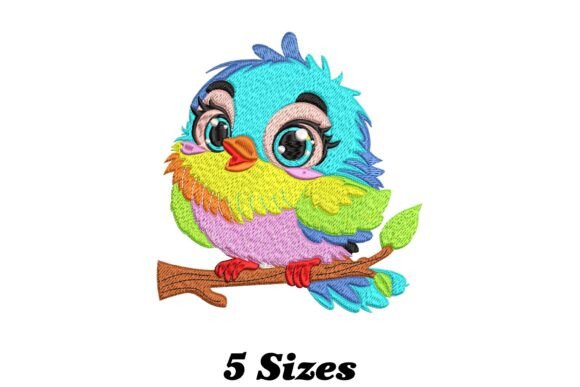
Reviewing the Adorable Cute Bird Design
As a designer who spends more time staring at stitch simulations than actual fabric, I have learned that not every machine embroidery design translates well from screen to thread. Some look crisp in digital previews but turn into tangled messes on the hoop. Others are so dense they pucker the fabric beyond repair. When I first loaded the Adorable Cute Bird file into my software, I was looking for that specific balance of whimsy and technical reliability. This is not just about aesthetics; it is about whether this design can hold up in a real-world embroidery project for a paying client or a discerning customer.
First Impressions and Visual Personality
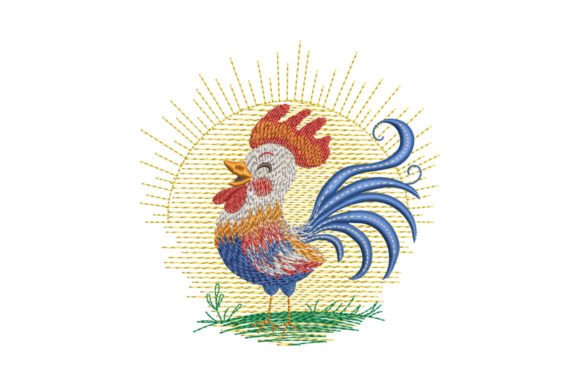
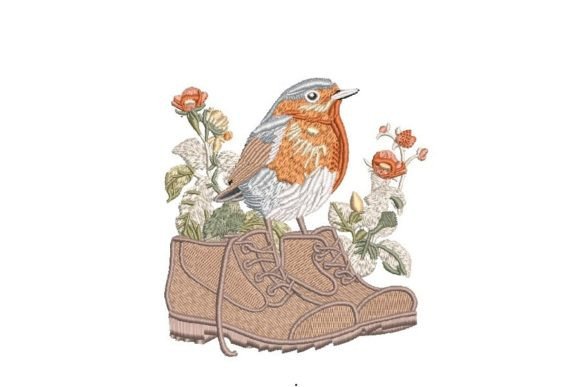
The immediate appeal of the Adorable Cute Bird lies in its simplicity. In the world of Birds themed Embroidery, there is often a temptation to over-complicate feathers and beaks with excessive detail. This design avoids that trap. It relies on clean lines and a charming silhouette that reads clearly even from a distance. The mood is undeniably cheerful, making it an instant candidate for spring collections, nursery decor, or lighthearted apparel.
From a technical standpoint, the layout feels balanced. The visual weight is distributed in a way that suggests thoughtful digitizing. It does not look like a generic clipart conversion. Instead, it has the personality of a custom illustration. For an Etsy seller or a small shop product creator, this distinct character is crucial. It helps your handmade product stand out in a saturated market where buyers are scrolling through thousands of similar listings.
Real-World Application: The Tote Bag Test
To truly evaluate a design, you must imagine it on a specific item. I recently considered this design for a custom order of canvas tote bags. Canvas is a forgiving fabric, but it has a distinct fabric texture that can swallow up fine details. I simulated the Adorable Cute Bird on a heavy cotton canvas background. The result was promising. The design’s bold shapes held their integrity against the weave of the fabric.
This versatility extends to other popular items. Imagine this as sweatshirt embroidery on a pastel hoodie. The softness of the fleece complements the gentle theme of the bird. Or consider it as a tote bag design for a local farmer’s market brand. It adds a touch of organic charm without feeling overly rustic. For baby embroidery, such as on a onesie or a burp cloth, the lack of sharp, aggressive angles makes it safe and appealing to parents. It feels friendly, which is exactly the emotion you want to evoke in a personalized gift.
Considerations for Challenging Fabrics
However, no design is universal. While the Adorable Cute Bird performs well on stable fabrics, I would exercise caution with highly stretchy materials like thin jersey knits. Without proper stabilization, the stitch density could cause pulling or distortion. If you plan to use this on a t-shirt, I strongly recommend using a cut-away stabilizer rather than a tear-away. This ensures the design remains flat and does not warp after washing.
Similarly, if you are attempting this on a curved surface like a cap, you must check the hoop size compatibility. Caps require specific digitizing adjustments to account for the curve. If this file was not originally digitized for caps, you might see registration issues where the stitches do not align perfectly. Always test on a scrap piece of the exact same material before committing to the final finished product.
Stitch Quality and Technical Performance
Diving deeper into the file, the mix of stitch types appears well-executed. The design likely utilizes a combination of satin stitch for outlines and borders, providing a smooth, glossy finish that catches the light nicely. The interior areas probably use a fill stitch that is dense enough to cover the fabric but open enough to prevent needle breaks. There may also be elements of running stitch for finer details, which adds a delicate, hand-drawn quality to the overall look.
One critical aspect for any craft business owner is thread consumption and production time. A design that takes twenty minutes to stitch is vastly different from one that takes two hours. While I cannot give you the exact minute count without running it on my specific machine, the visual complexity suggests a moderate stitch count. This is ideal for high-volume items like embroidered patch batches or holiday gifts where efficiency matters.
When selecting thread colors, remember that contrast is key. On dark fabrics, ensure you use bright, vibrant threads to make the bird pop. On light fabrics, you might opt for softer pastels to maintain the whimsical flair. I always advise creating a printable mockup in both black and white to check for value contrast. If the design disappears in grayscale, it may lack the necessary definition for clear visibility.
Commercial Viability and Brand Consistency
For those selling digital embroidery file assets or finished goods, the commercial potential of the Adorable Cute Bird is strong. It fits seamlessly into several niches: spring decor, Easter gifts, nature-loving demographics, and children’s apparel. Using this design in your commercial embroidery portfolio can help attract clients looking for approachable, non-corporate aesthetics.
Consistency is vital for brand recognition. If your shop specializes in nature-inspired items, this design reinforces that identity. It acts as a cohesive design asset that can be paired with floral elements or textual quotes. However, always verify the licensing terms provided with the download. Some designers allow unlimited sales of finished physical items, while others restrict the sale of the digital file itself. Knowing these boundaries protects your business and respects the original creator’s work.
Final Verdict and Practical Tips
In conclusion, the Adorable Cute Bird is a solid addition to any embroiderer’s library. It is not just cute; it is functional. It bridges the gap between artistic charm and manufacturing practicality. Here are my final recommendations for getting the best results:
- Test on scraps: Always run a test stitch-out on the actual fabric you intend to use. Check for puckering or thread breaks.
- Check stabilizer choice: Match the stabilizer to the fabric weight. Heavier fabrics need less support; lighter fabrics need more.
- Review hoop size: Ensure the design fits comfortably within your hoop with adequate margin for clamping.
- Inspect small details: Zoom in on the digital preview to ensure no tiny elements are too close together, which could cause merging during stitching.
- Confirm licensing: Read the included license file to understand your rights for personal and commercial use.
Whether you are creating a single holiday embroidery gift for a niece or launching a new line of custom apparel, this design offers the reliability and charm needed to succeed. It is a reminder that good design is not just about how it looks, but how it works. Happy stitching.