Auntie Embroidery Design: A Designer’s Practical Review
As a designer who spends more time analyzing stitch paths than browsing social media, I approach every new machine embroidery design with a healthy dose of skepticism. We have all downloaded those "cute" files that look perfect in the preview image but turn into a tangled mess of thread breaks and puckered fabric on the hoop. So, when I pulled up the Auntie flower embroidery design, I was not looking for hype. I was looking for utility. I wanted to know if this asset could hold its own in a real-world production environment, whether for a high-volume Etsy shop or a one-off personalized gift.
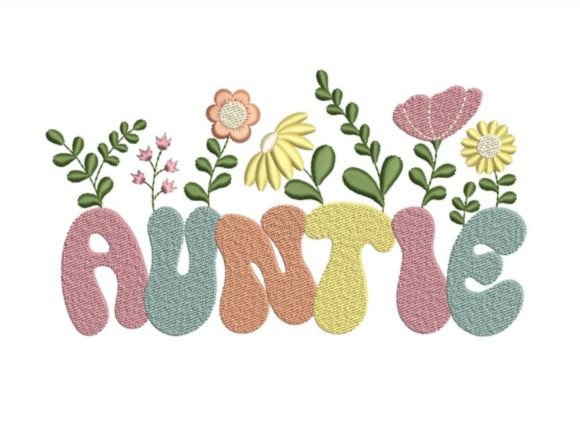
The first impression of the Auntie design is one of balanced warmth. It does not scream for attention with overly complex shading or impossible micro-details. Instead, it offers a clean, inviting aesthetic that blends floral motifs with typographic elements. For those of us creating handmade products, this balance is crucial. The visual personality suggests affection without being cloying, making it an ideal candidate for Mother S Day collections, birthday surprises, or just-because gestures for the special women in our lives.
Real-World Application: The Tote Bag Test
To truly evaluate an embroidery file, you have to imagine it on a physical object. I visualized this design on a heavy canvas tote bag, a staple item for any craft business. The layout of the Auntie design appears well-suited for this application. The floral elements provide enough organic movement to break up the rigidity of the text, ensuring the final piece looks like a designed product rather than a stamped label.
When stitching on textured fabrics like canvas or denim, the clarity of the design is paramount. If the details are too fine, they get lost in the weave. If they are too dense, the fabric warps. From my assessment, this design seems to strike a middle ground. It likely utilizes a mix of satin stitch for the lettering and borders, providing that glossy, premium finish customers love, while employing fill stitch techniques for the flower petals to add volume without excessive bulk. This combination is essential for maintaining the structural integrity of a tote bag design that will be subjected to daily wear and tear.
Versatility Across Product Lines
Beyond tote bags, I considered how this design would perform on other popular items for Etsy sellers and boutique owners. For sweatshirt embroidery, the design’s scale needs to be carefully managed. Placed on the left chest, it acts as a subtle brand marker or personal touch. Enlarged for the back, it becomes a statement piece. The key here is checking the stitch density. Heavy garments like hoodies can handle more saturation, but if the design is too dense, it creates a stiff patch that feels uncomfortable against the skin.
For baby embroidery projects, such as onesies or bibs, the softness of the output is critical. While the Auntie theme is perfect for gifting from an aunt to a niece or nephew, the execution must be gentle. I would recommend testing this on soft cotton interlock with a high-quality cut-away stabilizer to prevent stretching during washing. The design’s lack of extremely tiny, isolated stitches suggests it should hold up well, but a test run is non-negotiable before committing to client orders.
Another viable avenue is the embroidered patch. Many small shop owners are moving toward patch-based merchandise because it allows for pre-production and easier application to various garments. If this digital embroidery file has a clean border or running stitch outline, it could be easily cut and applied as an iron-on or sew-on patch, expanding its commercial viability significantly.
Navigating Technical Challenges
No design is universal, and honest review requires identifying where caution is needed. The Auntie design, with its floral components, may present challenges on dark fabrics if the thread colors are not chosen with high contrast in mind. A common mistake among novice makers is using similar shades for the flowers and the background, which causes the design to vanish from a distance. Always create a printable mockup in black and white to check value contrast before threading up the machine.
Additionally, curved surfaces like caps require specific adaptations. If you plan to use this for holiday embroidery on baseball hats, ensure the design width fits within the standard cap frame limits. The curvature of the cap can distort wide designs, so centering and scaling are vital. Furthermore, avoid placing dense fill areas directly on seams or thick hems, as this can lead to needle deflection and broken threads.
For those working with stretchy fabrics, such as athletic wear or thin knits, the stability of the design is a concern. Without proper hooping and stabilizing, the pull of the satin stitch can cause the fabric to gather around the letters. I advise using a tear-away stabilizer for woven fabrics and a cut-away for knits to ensure the finished product remains flat and professional.
Commercial Value and Brand Consistency
From a business perspective, the Auntie design adds tangible value to a product line. It taps into the emotional market of gifting, which drives higher engagement and conversion rates for small shop products. Customers are not just buying a shirt; they are buying a sentiment. When the embroidery quality is high, it builds trust. A clean, well-stitched design signals professionalism, encouraging repeat buyers and positive reviews.
However, consistency is key. If you are selling this as part of a broader collection, ensure the thread palette aligns with your brand identity. Whether you choose pastel tones for a spring collection or bold primaries for a modern look, the thread colors should enhance the design’s readability. This attention to detail distinguishes a hobbyist from a serious creative entrepreneur.
Practical Notes for the Studio
Before you launch this design into your production queue, here are my final recommendations for best results:
- Test on Scrap First: Never stitch a new design directly on your final garment. Use the same fabric type and weight to check for puckering or thread breaks.
- Check Licensing: Confirm the license terms provided with the design assets. Ensure you are cleared for commercial use if you plan to sell finished items.
- Verify File Formats: Make sure the download includes the specific format compatible with your machine (e.g., PES, DST, JEF). Do not assume compatibility.
- Inspect Small Details: Zoom in on the digital preview. Look for potential jump stitches or tight corners that might need manual editing or slower stitching speeds.
- Contrast Check: Test the design on both light and dark fabrics to determine the most effective thread combinations.
In conclusion, the Auntie flower embroidery design is a strong contender for your seasonal catalog. It offers the right blend of emotional appeal and technical feasibility for a range of applications, from custom apparel to home decor. By respecting the technical requirements of embroidery and understanding your fabric choices, you can transform this digital file into a cherished physical object. It is not just about stitching a pattern; it is about crafting a connection. And in the world of handmade goods, that connection is everything.