Jesus Applique Design: A Designer’s Review
As an embroidery designer who has spent years digitizing patterns and testing them on everything from stiff denim to delicate baby knits, I approach every new machine embroidery design with a critical eye. It is not just about whether the image looks good on a screen; it is about how it behaves under the needle. Recently, I evaluated the Jesus Applique Design to determine its viability for real-world projects. This is not a theoretical review but a practical assessment based on how this piece functions in a working studio environment.
First Impressions and Visual Mood
The first thing that strikes you about this applique design is its gentle, reverent aesthetic. In the world of Religion-themed Embroidery, there is often a tendency toward overly complex shading or dense fills that can overwhelm small hoops. However, this design takes a different approach. It relies on clean lines and the inherent texture of the fabric chosen for the applique patch. The mood is serene and inviting, making it suitable for a wide demographic, from nursery decor to adult apparel.
Visually, the layout is balanced. The silhouette is distinct, ensuring that even from a distance, the subject is recognizable. For a designer, this clarity is crucial. When you are creating a handmade product, especially for quick-glance items like tote bags or caps, instant recognition drives engagement. The design does not clutter the visual field, allowing the texture of the thread and the fabric to play a significant role in the final presentation.
Real-World Application: The Custom Tote Test
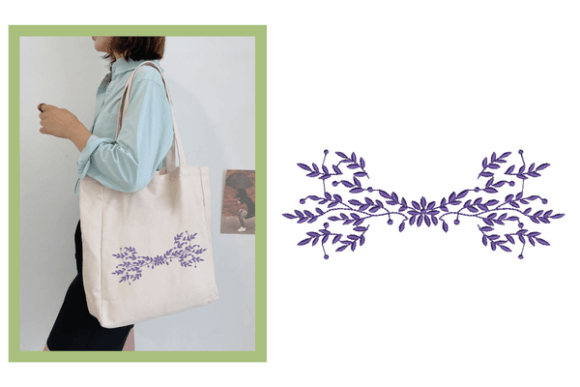
To truly understand the utility of this file, I simulated a common client request: a custom embroidered tote bag for a church group or a faith-based boutique. Tote bags are typically made from canvas or heavy cotton, which provides a stable base for embroidery. I placed the Jesus Applique Design on a natural-colored canvas.
The result was striking. Because applique work replaces large areas of solid fill stitching with a piece of fabric, the finished product remained lightweight and flexible. This is a significant advantage over full-fill designs, which can make fabric stiff and uncomfortable. For a tote bag design, this flexibility ensures the bag remains functional while looking professionally decorated. The contrast between the white canvas and a soft pastel or cream-colored applique fabric created a subtle, high-end look that appeals to buyers seeking understated elegance rather than loud graphics.
Versatility in Apparel and Home Decor
Beyond totes, this design shines in custom apparel. I envision it working beautifully on sweatshirt embroidery projects. A crewneck sweatshirt in heather grey or navy provides an excellent backdrop. The applique technique here is beneficial because it reduces the bulk of stitches on the chest area, preventing the garment from pulling or distorting. For baby embroidery, such as on a onesie or a receiving blanket, the reduced stitch count means the item remains soft against sensitive skin. Parents appreciate gifts that are not only meaningful but also comfortable, and this design delivers on both fronts.
In home decor, consider a pillow cover or a kitchen towel. On a linen pillow, the texture of the applique fabric adds depth. On a terry cloth towel, the design stands out clearly without getting lost in the loops of the fabric. These applications highlight the design’s adaptability across different fabric textures.
Technical Considerations for Stitching
While the aesthetic is strong, the technical execution requires attention to detail. As with any digital embroidery file, success depends on proper setup. Here are the key factors I noted during my evaluation:
- Stabilizer Selection: Even though applique reduces density, you must use the correct stabilizer. For stretchy fabrics like t-shirts or sweatshirts, a cut-away stabilizer is essential to prevent puckering around the satin stitch borders. For woven fabrics like canvas or linen, a tear-away may suffice, but I always recommend testing first.
- Thread Colors: The beauty of this design lies in the contrast. Ensure your thread colors for the border stitches complement the applique fabric. A matching thread creates a seamless look, while a contrasting thread defines the shape more boldly. Avoid using thread that blends too much with the base fabric, as this can make the design look washed out.
- Hoop Size: Before purchasing, confirm the available hoop sizes. While applique designs are often scalable, you must ensure the design fits within your machine’s maximum hoop capacity without losing detail. Always check the specific dimensions provided with the file.
- Fabric Placement: Precision is key in applique. You will need to pause the machine to place the fabric patch. Use temporary spray adhesive or pins to secure the fabric before stitching the tack-down line. Misalignment here cannot be easily corrected once the satin stitch border is applied.
Where to Use Caution
No design is universal, and there are scenarios where the Jesus Applique Design might require extra care or should be avoided. For instance, on very thin or slippery fabrics like silk or rayon, the tension from the satin stitch border could cause gathering. In these cases, extensive testing on scrap fabric is non-negotiable. Additionally, if you are working on curved surfaces like caps or hats, ensure the design size is appropriate. Large appliques can be difficult to hoop correctly on curved surfaces, leading to shifting or distortion.
Also, consider the washing instructions. While applique is generally durable, the edges can lift if not stitched securely. For items that will undergo frequent washing, such as baby clothes or kitchen towels, reinforce the edges with a tight, well-balanced satin stitch. Avoid using loose-weave fabrics for the applique patch itself, as they may fray beyond the stitch line over time.
Commercial Value and Brand Consistency
For Etsy sellers and craft business owners, this design offers strong commercial potential. Faith-based products have a dedicated market, and customers often seek items that feel personal and heartfelt. This design allows for that connection without being overly ornate. It fits well into a brand identity that values simplicity, quality, and meaning.
When creating printable mockups for your online shop, this design photographs well. The texture of the applique fabric adds a tactile quality to digital images, helping customers visualize the finished product. This can increase buyer engagement and trust, as the product appears tangible and high-quality. Whether you are selling the finished product or using it as part of a larger collection of design assets, the professional finish of this applique work elevates the perceived value of your items.
Final Verdict and Practical Advice
The Jesus Applique Design is a solid addition to any designer’s library. It balances aesthetic appeal with practical stitching considerations. It is particularly well-suited for holiday embroidery gifts, baptism presents, or everyday items that carry a message of faith. However, do not assume it is plug-and-play. Always test the design on scrap fabric similar to your final material. Check the stitch density settings in your software if you have the ability to edit, and ensure your machine is properly threaded and tensioned.
Before selling items made with this design, verify the license terms. Most designers allow commercial use for physical products, but restrictions may apply to sharing the embroidery file itself. Respect intellectual property rights to maintain professionalism in the commercial embroidery community. With careful execution, this design can become a staple in your portfolio, offering customers a beautiful, meaningful piece of art that stands the test of time.