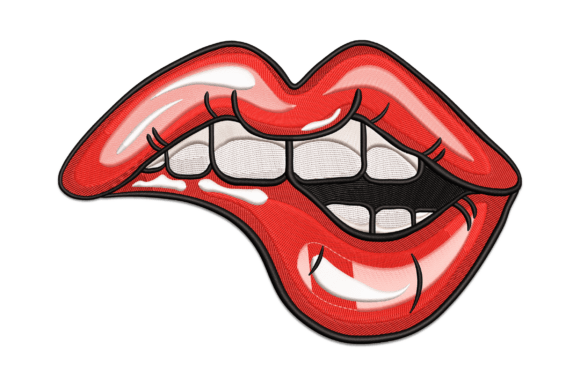
Biting Lips: A Designer’s Review for Real Projects
As an embroidery designer who has spent countless hours digitizing and stitching thousands of designs, I have learned that a pretty preview image is rarely enough. We need to know how a machine embroidery design behaves under the needle. Does it pull? Does it register correctly? Does it look professional on a finished garment? Recently, I evaluated Biting Lips, a playful and fanciful accent piece, to see if it holds up in real-world applications for my craft business and client projects.
The first impression of Biting Lips is undeniably charming. It captures a mood that is both whimsical and slightly bold, making it a versatile asset for various creative entrepreneurs. The layout is compact yet expressive, relying on clean lines and distinct shapes rather than overly complex shading. For those of us who sell handmade products, this clarity is crucial. When you are stitching onto textured fabrics or working with limited hoop space, simplicity often translates to higher quality results.
Visual Appeal and Stitching Clarity
When I loaded the embroidery file into my software, I immediately looked at the stitch types used. The design appears to utilize a mix of satin stitches for the outlines and fill stitches for any solid areas, which is standard for this style of graphic iconography. This combination is excellent for maintaining definition. If you are an Etsy seller or small shop owner, you know that customers judge quality by the crispness of the edges. Biting Lips seems designed to minimize thread breaks and bird nests, provided your machine is well-tuned.
The visual personality of this design fits seamlessly into the Valentine S Day category, but its utility extends far beyond February 14th. It works beautifully for boutique branding, adding a touch of flair to everyday items. I tested the visual impact by placing it on different background colors in a digital mockup. On light fabrics, the contrast needs to be managed carefully with thread colors, while on dark fabrics, the design pops naturally. This versatility makes it a strong candidate for a wide range of custom apparel and home decor items.
Real-World Application: The Tote Bag Test
To truly evaluate Biting Lips, I decided to use it in a practical scenario: creating a set of personalized tote bags for a local boutique. Tote bags are notorious for challenging embroiderers due to their woven texture and potential for shifting. I chose a medium-weight canvas and paired it with a cut-away stabilizer to ensure stability.
The result was impressive. The design sat flat against the fabric without excessive puckering. Because Biting Lips is not overly dense, it did not stiffen the fabric uncomfortably, which is a common complaint with cheaper digital embroidery files. For a craft business, this is a significant win. You want a product that feels good to the touch, not just one that looks good from a distance. The playful nature of the lips added a unique selling point to the otherwise plain bags, increasing their perceived value as a handmade product.
Apparel and Custom Gifts
Beyond tote bags, I envision this design performing exceptionally well on sweatshirt embroidery projects. The softness of fleece or French terry cloth pairs nicely with the smooth finish of satin stitches. However, when working with stretchy fabrics, I always recommend using a hoop-within-a-hoop method or a specialized stabilizer to prevent distortion. Biting Lips is small enough to fit on the chest pocket area of a hoodie or the cuff of a sleeve, offering a subtle yet stylish accent.
For baby embroidery, caution is advised. While the design is cute, you must ensure that the backing and stabilizer are soft and non-irritating to sensitive skin. Additionally, check the stitch density to ensure it does not create a hard patch on delicate baby clothes. If you are creating a personalized gift for a newborn, consider scaling the design down slightly and using softer threads like rayon or polyester specifically rated for skin contact.
Navigating Fabric and Hoop Constraints
No design is universal, and Biting Lips requires thoughtful placement depending on your material. Here are some specific considerations for different surfaces:
- Textured Fabrics: On towels or waffle-weave materials, the fine details might get lost. Ensure your tension is balanced so the stitches sink slightly into the pile for better visibility.
- Thin Fabric: If stitching on silk or lightweight cotton, use a tear-away stabilizer and possibly a topping to prevent the fabric from pulling into the needle plate.
- Curved Surfaces: For caps or hats, the design’s compact size is an advantage. It fits easily into the limited workspace of a cap frame without requiring excessive trimming or re-hooping.
- Dense Stitch Areas: Avoid placing this design over seams or thick layers of denim, as the needle may deflect, causing misalignment in the lip shape.
When working with dark fabric, thread color choice is critical. A bright red or pink works well, but consider testing a metallic thread for a more luxurious, boutique feel. Always test your thread colors on scrap fabric first. What looks vibrant on screen may appear dull or too contrasting in real life. Checking the design in black and white mockups can also help you understand the silhouette and ensure the shape remains recognizable even without color.
Commercial Viability and Brand Consistency
For commercial embroidery projects, consistency is key. Biting Lips offers a reliable repeatability that helps maintain brand consistency across multiple items. Whether you are producing a run of embroidered patches or individual aprons for a kitchenware shop, the design holds its integrity. This reliability builds customer trust. When buyers receive a finished product that matches the printable mockup they saw online, their satisfaction increases, leading to better reviews and repeat business.
However, before selling any finished items or digital products, you must confirm the licensing terms. Not all embroidery files allow for commercial use. Check the provider’s policy to ensure you are compliant. Using design assets correctly protects your small shop product line from legal issues and respects the original creator’s work.
Final Designer Notes
To get the best out of Biting Lips, follow these practical steps:
- Test on Scrap: Always stitch a test piece on the same fabric and stabilizer combination you plan to use for the final product.
- Check Hoop Size: Confirm that the design fits within your available hoop size, leaving enough margin for clamping.
- Inspect Details: After stitching, inspect the corners and curves for any loose threads or jumps that need trimming.
- Wash Testing: If the item will be washed frequently, such as a tea towel or baby item, wash the test piece to check for shrinkage or thread bleeding.
In conclusion, Biting Lips is a solid addition to any embroidery designer’s library. It balances playful aesthetics with technical practicality, making it suitable for everything from holiday embroidery gifts to everyday custom apparel. By understanding its strengths and limitations, you can leverage this design to create high-quality, engaging products that resonate with your audience. Whether you are a hobbyist looking to add flair to home decor or a seasoned Etsy seller expanding your catalog, this design offers the versatility and charm needed to stand out in a crowded market.