Valentine Nurse: A Designer’s Review for Real Projects
As an embroidery designer who has spent years digitizing patterns and testing them on everything from stiff denim to delicate baby knits, I approach every new machine embroidery design with a critical eye. It is not enough for a graphic to look cute on a screen; it must translate flawlessly into thread. Recently, I evaluated Valentine Nurse, a themed design intended for the Valentine S Day market. My goal was to determine if this asset holds up under the mechanical stress of stitching and the aesthetic demands of modern craft business standards.
First Impressions: Mood and Visual Personality
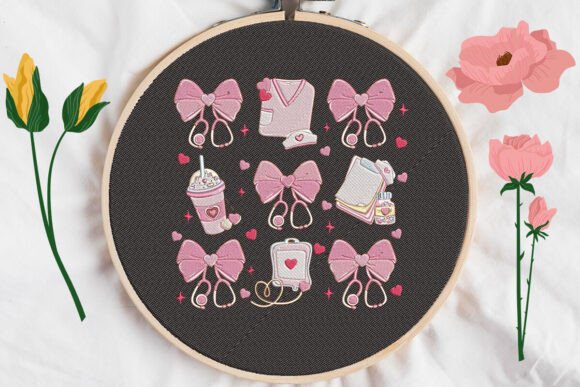
The first thing that strikes you about Valentine Nurse is its approachable charm. It avoids the overly clinical look often associated with medical themes, opting instead for a softer, more celebratory aesthetic. The layout suggests a balance between iconography and text, which is crucial for readability at smaller scales. For a designer, the immediate question is always about the "visual weight." Does the design feel heavy and dense, or does it breathe? From what I can observe in the preview, this design leans toward a vibrant and imaginative flair, making it suitable for items that need to pop without overwhelming the fabric.
This mood is essential for the target audience. Nurses and healthcare workers often seek apparel that humanizes their profession, especially during holidays. A design that feels too rigid fails to connect emotionally. Valentine Nurse appears to hit that sweet spot of professional pride mixed with holiday warmth, making it a strong candidate for personalized gifts and boutique merchandise.
Real-World Application: The Tote Bag Test
To truly understand the value of an embroidery file, I mentally place it into a real-life production scenario. Imagine a small shop owner preparing a run of canvas tote bags for a hospital gift shop or a local craft fair. Canvas is a forgiving medium, but it requires careful tension management. If I were stitching Valentine Nurse onto a natural cotton tote, I would be looking closely at how the fill areas interact with the weave.
In this context, the design serves as a focal point. Unlike all-over prints, a centered embroidery piece like this draws the eye immediately. For an Etsy seller, this means the product photography must highlight the texture of the stitches. The "stylish update" mentioned in the product description relies on the contrast between the thread sheen and the matte fabric. If the design uses a mix of satin stitch borders and fill stitch interiors, it will create a tactile depth that customers love to touch. This tactile engagement is a key driver for conversion in online handmade markets.
Apparel and Custom Gear
Beyond totes, consider custom apparel. A fleece sweatshirt is a popular base for holiday embroidery. Here, the pile of the fabric can swallow small details. If Valentine Nurse contains fine lines or tiny lettering, those elements might get lost in the fuzz of a polyester blend. However, if the design utilizes bold shapes and clear outlines, it will stand out beautifully against the soft background. This makes it a viable option for sweatshirt embroidery projects aimed at nursing students or staff looking for festive uniform alternatives.
For baby embroidery projects, such as onesies or bibs, the softness of the thread and the flexibility of the design are paramount. Babies move, and their clothes stretch. A design that is too dense can act like a patch of cardboard, restricting movement and causing discomfort. If this design maintains a moderate stitch density, it could work well for infant garments, provided a proper cut-away stabilizer is used to support the knit fabric.
Technical Considerations and Fabric Compatibility
No design is universal, and Valentine Nurse is no exception. There are specific scenarios where caution is required. If you are working with thin or stretchy fabrics, such as jersey tees or performance blends, the risk of puckering is high. Puckering occurs when the thread tension pulls the fabric out of shape. To mitigate this, you must use a high-quality stabilizer. For knits, a soft cut-away is usually best, while woven fabrics might tolerate a tear-away.
Dark fabrics present another challenge. If the design relies on light thread colors for contrast, ensure that the underlying fabric does not show through the stitches. This is known as "grin-through." A skilled embroiderer might add an underlay stitch or choose a thread color slightly darker than the top stitch to mask the fabric. Always test your embroidery project on a scrap piece of the exact same material before committing to the final product.
Curved surfaces, like caps or hats, require special attention. If you plan to use this design on a dad hat or baseball cap, check the hoop size compatibility. Caps have limited flat space. If the design is too wide, it will wrap around the curve and distort. In such cases, resizing might be necessary, but be cautious: shrinking an embroidery design too much can cause thread breaks and needle hits because the stitches become too close together.
Enhancing Brand Value and Customer Trust
For commercial entrepreneurs, the choice of design assets directly impacts brand perception. Using a well-digitized design like Valentine Nurse signals professionalism. Sloppy stitching, thread breaks, or poor color choices can damage a brand’s reputation. Conversely, a clean, crisp finished product builds trust. When customers see consistent quality in your handmade product listings, they are more likely to return.
This design can also serve as a versatile element in your marketing materials. You can use it to create printable mockup images for your online store, showing potential buyers how the design looks on various items. This helps customers visualize the end result, reducing hesitation and increasing sales. Whether you are selling the physical item or offering customization services, the visual appeal of the design is your primary sales tool.
Practical Notes for the Embroiderer
Before you load this design into your machine, take a moment to review the technical specifics. Since the product description does not provide exact stitch counts or file formats, you must verify these details upon download. Ensure the file format matches your machine’s requirements, whether it is PES, DST, EXP, or another common type.
- Test Stitch Out: Always run a test on scrap fabric to check for registration issues.
- Check Color Contrast: View the design in black and white to ensure the shapes are distinct without color reliance.
- Verify Licensing: Confirm whether the license allows for commercial use if you plan to sell finished items.
- Inspect Details: Zoom in on the digital file to check for any overlapping stitches or unnecessary jumps that could cause thread nests.
In conclusion, Valentine Nurse offers a delightful opportunity to add a thematic touch to your embroidery repertoire. It fits naturally into the niche of holiday embroidery for healthcare professionals and enthusiasts. By paying attention to fabric choice, stabilization, and stitch quality, you can transform this digital asset into a high-value physical product. Whether for a small shop product line or a thoughtful personalized gift, this design has the potential to deliver both aesthetic joy and commercial success.