Check Engine: A Designer’s Review for Business Merch
As an embroidery designer who has spent years digitizing files and consulting with small business owners, I have learned that not every design translates well from screen to fabric. When I first encountered Check Engine, my immediate goal was to evaluate its viability for commercial use. This is not just about aesthetics; it is about functionality, brand consistency, and the final quality of the finished product. For shop owners, Etsy sellers, and apparel decorators, selecting the right machine embroidery design is a critical business decision.
First Impressions: Balancing Whimsy and Professionalism
The product description promises to "bring a bit of charm to your fabrics" with a playful touch suitable for t-shirts, towels, and home decor. From a design perspective, this suggests a motif that leans toward the friendly and approachable side of the spectrum. In the context of Work and professional branding, "playful" can be a double-edged sword. It works beautifully for creative studios, bakeries, pet brands, and boutiques, but it requires careful placement to maintain professionalism in more corporate settings.
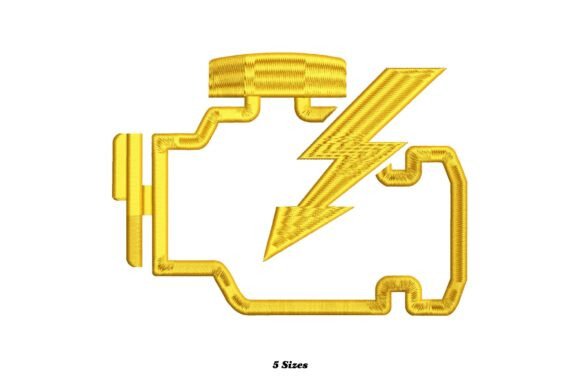
Visually, I look for balance. Does the design feel cluttered, or does it have breathing room? For Check Engine, the implication of a whimsical touch suggests softer lines or perhaps a clever visual pun related to engines or checks. This kind of personality is invaluable for brand identity. It helps humanize a business, making customers feel a connection beyond the transaction. However, the key is ensuring that the playfulness does not compromise legibility or structural integrity when stitched out.
Real-World Applications for Small Business Merch
Let us discuss where this design truly shines in a commercial environment. The versatility mentioned in the description allows for several high-value applications.
- Embroidered Patches: This is arguably the best use case. A patch allows you to control the background fabric and stabilizer completely. You can create a run of patches featuring Check Engine and apply them to various items later. This reduces waste and allows for inventory flexibility.
- Staff Uniforms and Aprons: For a café or creative studio, adding this design to an apron embroidery layout adds a signature touch. It serves as a conversation starter and reinforces the handmade nature of the service.
- Tote Bag Design: Canvas totes are a staple for retail shops. Placing this design on a tote creates a walking advertisement. The texture of canvas usually supports medium-density designs well, provided the backing is sufficient.
- Cap Embroidery: Caps are tricky due to the curved surface. If Check Engine has a compact footprint, it can work on the front panel. However, wide designs may distort on the curve. Always test on a similar cap structure before committing to a large production run.
For small business merch, consistency is key. Using this design across multiple touchpoints—from employee uniforms to customer gifts—creates a cohesive visual language. It transforms a simple item into a branded asset.
Technical Considerations and Stitch Density
While the aesthetic appeal is important, the technical execution determines whether the design lasts. As a designer, I always advise checking the stitch density before running a full batch. High density can cause puckering, especially on lighter fabrics like t-shirts or towels. Conversely, low density might look sparse and unprofessional on heavier materials like denim or canvas.
Since the description does not specify exact technical details, you must verify the embroidery file specifications. Check the recommended hoop size to ensure it fits your machine’s capabilities. If you are planning to use this on dark uniforms, consider how the thread colors will contrast. A playful design often relies on bright or varied colors; ensure these pop against the fabric choice.
Fabric texture also plays a crucial role. Towels, as mentioned in the description, have a looped pile that can swallow small details. If Check Engine includes fine lines or tiny text, it may get lost in the texture of a towel. In such cases, using a cut-away stabilizer is non-negotiable to provide a firm foundation for the stitches.
Where to Use Caution
Not every item is suitable for every design. Here are scenarios where you should proceed with caution when using Check Engine:
- Tiny Lettering: If the design incorporates text, ensure it is large enough to be readable. Small text often becomes illegible when embroidered, turning into a blob of thread.
- Curved Surfaces: As mentioned with caps, avoid placing wide elements on highly curved areas without proper digitizing adjustments.
- Frequent Washing: Items like work shirts and aprons undergo rigorous washing. Ensure the design is properly secured with adequate stabilizer to prevent shifting or unraveling over time.
- Dark Fabrics: If the design relies on light thread colors, ensure you are using high-quality threads that resist fading and provide sufficient coverage to prevent the fabric from showing through.
Enhancing Brand Identity and Customer Trust
Why does this matter for your bottom line? Because quality embroidery signals quality service. When a customer receives a tote bag or wears a shirt with a clean, well-executed Check Engine design, it subconsciously reinforces trust in your brand. It shows attention to detail.
For custom apparel businesses, offering unique designs like this sets you apart from competitors who use generic clipart. It positions your brand as thoughtful and creative. Furthermore, creating a printable mockup of the design on various products can help you market these items effectively online. Visualizing the handmade product helps customers understand the value proposition before they buy.
Practical Designer Notes for Production
Before you launch this design into your commercial embroidery workflow, follow these steps to ensure success:
- Test in Black and White: Stitch out the design in monochrome first. This helps you evaluate the structure and spacing without the distraction of color. If it looks good in black and white, it will look great in color.
- Check Small Patch Size: Scale the design down to the smallest size you intend to sell. Verify that details remain clear and do not merge together.
- Review Thread Color Contrast: Select thread colors that align with your brand palette but also provide enough contrast against the fabric.
- Inspect Spacing: Look for jumps or long travels that might need trimming or could cause tangling.
- Confirm Hoop Size: Ensure the design fits comfortably within your hoop, leaving enough margin for clamping.
- Test on Real Fabric: Never rely solely on digital simulations. Stitch on the actual material you plan to use for production.
- Use Proper Stabilizer: Match the stabilizer to the fabric weight and stretch. This is the most common cause of poor embroidery quality.
- Create a Mockup: Use digital tools to show clients or customers how the design looks on different items.
- Compare Design Assets: Place Check Engine next to your other logos and graphics to ensure visual consistency.
- Confirm Commercial Licensing: Always verify the license terms of the digital embroidery file. Ensure you have the right to use it for physical goods sold for profit.
In conclusion, Check Engine offers a charming addition to your design assets. By approaching it with a strategic mindset—focusing on technical precision, appropriate application, and brand alignment—you can leverage this playful motif to enhance your small business merch offerings. Whether used on a cozy towel or a sturdy work apron, the right execution turns a simple stitch pattern into a powerful tool for customer engagement and brand recognition.