Wrench Piston: A Playful Embroidery Review
As an embroidery designer who spends countless hours digitizing and testing files for boutique apparel, I am always on the lookout for designs that balance whimsy with professional finish. Recently, while browsing the vast library of Creative Fabrica embroidery resources, I came across a design titled Wrench Piston. At first glance, it promises to bring a bit of charm to fabrics with a playful aesthetic. For those of us running small clothing brands or Etsy shops, finding a machine embroidery design that stands out in the crowded "Work" category is essential. This review explores how this specific file performs when applied to real-world garments, from cozy sweatshirts to structured denim jackets.
First Impressions and Visual Personality
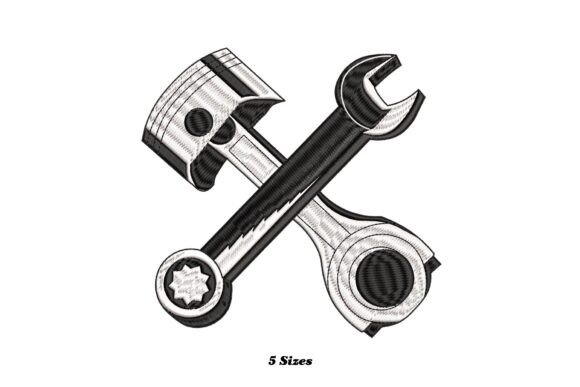
The immediate appeal of Wrench Piston lies in its decorative strength. It does not try to be overly complex or hyper-realistic. Instead, it leans into a fun, whimsical touch that feels approachable and trendy. In the context of modern apparel, where minimalism often clashes with bold graphics, this design offers a middle ground. It feels casual yet intentional. When I visualize this on a neutral sweatshirt, the visual personality suggests a blend of industrial chic and soft comfort. It is not aggressively masculine nor strictly feminine, making it a versatile choice for unisex collections.
The detail level appears sufficient to catch the eye without overwhelming the fabric. For a boutique brand, this is crucial. You want a design that signals quality without requiring excessive thread consumption or long machine run times. The mood is distinctly playful, which aligns perfectly with current trends in handmade products that prioritize joy and individuality over stiff corporate branding.
Apparel Applications and Placement Strategies
When planning a small sweatshirt or hoodie collection, placement is everything. Wrench Piston shines in several key areas. For sweatshirt embroidery, a left-chest placement is classic and professional. It allows the design to act as a subtle logo or brand marker. However, given its playful nature, I also see potential for larger placements on the back of oversized garments. A centered back design on a heavyweight fleece hoodie can transform a basic item into a statement piece.
- Hoodie Chest Placement: Ideal for creating a cohesive look when paired with sleeve accents.
- Sleeve Accents: If the design scales well, placing it on the forearm adds a unique, custom touch that buyers love.
- T-Shirt Embroidery: On lighter cotton tees, this design adds texture and value, elevating a simple garment into a premium product.
- Tote Bag Design: Canvas bags benefit from sturdy stitching. This motif works well for lifestyle product photos, suggesting utility and style.
For custom apparel lines, consistency is key. Using Wrench Piston across different items—such as denim jackets and cozy seasonal outfits—helps build visual consistency. When customers see the same high-quality embroidery file executed flawlessly on various textiles, it builds buyer trust and enhances product recognition.
Fabric Considerations and Technical Execution
While the design is charming, successful execution depends heavily on fabric choice and stabilization. As an experienced designer, I advise caution when working with stretchy fabrics or fleece. The stitch density of any digital embroidery file must be compatible with the fabric texture. For thick materials like hoodies, a cut-away stabilizer is non-negotiable to prevent puckering. For lighter t-shirts, a tear-away might suffice, but testing is mandatory.
Dark garments present another challenge. If the design relies on light thread colors for contrast, ensure your tension settings are perfect to avoid shadowing. Conversely, on pastel hoodies, vibrant threads will pop beautifully. Always test on scrap fabric that matches your production material. This step saves time and reduces waste, ensuring your finished product meets professional standards.
Curved surfaces, such as the shoulders of a raglan sleeve or the pocket of a jacket, require careful hooping. Ensure the hoop size accommodates the design without distorting the garment. Ribbed fabrics, often found on cuffs and collars, should generally be avoided for large embroidered areas unless specialized techniques are used, as the stretch can cause stitches to break or pucker over time.
Enhancing Brand Value and Customer Engagement
Incorporating Wrench Piston into your lineup can significantly affect apparel value. Embroidery is perceived as a premium finish compared to screen printing. When customers touch the raised texture of the stitches, it conveys durability and care. This tactile experience boosts customer engagement and encourages social sharing. Imagine a customer posting a photo of their new hoodie on social media; the detailed stitching makes for excellent printable mockup material and authentic user-generated content.
For Etsy sellers and creative entrepreneurs, this design supports a narrative of handmade quality. It differentiates your small shop product from mass-produced alternatives. By offering items with unique, well-executed embroidery, you establish a boutique brand identity that resonates with buyers seeking authenticity. The design’s whimsical nature invites conversation, making it a great talking point in your product descriptions and marketing emails.
Practical Designer Notes for Production
Before launching a collection featuring Wrench Piston, there are several critical steps to take. First, confirm the technical specifications. The product description mentions it is perfect for t-shirts and home decor, but it does not specify stitch count, file formats, or exact hoop requirements. As a professional, you must verify these details on the Creative Fabrica product page. Ensure the digital embroidery file is compatible with your machine software.
- Test on Scrap Fabric: Always run a test stitch-out on the actual garment material to check for registration issues.
- Check Stabilizer Choice: Match the stabilizer weight to the fabric weight to maintain shape and prevent distortion.
- Review Thread Color Contrast: Select threads that complement the garment color while ensuring the design remains legible.
- Confirm Hoop Size: Ensure your hoop can accommodate the design dimensions without re-hooping, which can lead to misalignment.
- Inspect Stitch Density: Look for areas of high density that might cause stiffness or puckering, especially on lighter fabrics.
- Check Licensing: Before selling commercial embroidery products, review the license terms on Creative Fabrica to ensure compliance for finished goods.
By following these steps, you mitigate risk and ensure a high-quality output. The goal is to create a handmade product that looks polished and professional. Wrench Piston offers a delightful starting point for this process, provided it is handled with technical precision.
Final Thoughts on Work and Embroidery Trends
The intersection of Work themes and playful Embroidery is a growing niche. Consumers are increasingly drawn to designs that celebrate labor, tools, and craftsmanship in a lighthearted way. Wrench Piston fits this trend seamlessly. It is not just a graphic; it is a statement about appreciating the mechanics of life with a smile. For apparel decorators and digital sellers, this design represents an opportunity to tap into a market that values both aesthetics and meaning.
In conclusion, Wrench Piston is a strong contender for your next boutique collection. Its versatility across different garments, from dark apparel to pastel hoodies, makes it a valuable asset. By paying attention to fabric texture, stabilizer choice, and placement, you can leverage this design to enhance your brand identity and deliver exceptional value to your customers. Always remember to validate the technical details before production, and let your creativity guide the final presentation. Happy stitching!