Cute Piglet and Melon: A Designer’s Review
As an embroidery designer who has spent years digitizing patterns for small businesses, I approach every new machine embroidery design with a critical eye. It is not just about whether the image looks cute on a screen; it is about how that image translates into thread, how it holds up on fabric, and ultimately, how it serves a brand’s identity. Recently, I reviewed Cute Piglet and Melon, a charming addition to the Baby Animals category, to determine its viability for commercial use. This review focuses on its application in branded merchandise, from staff uniforms to boutique packaging.
First Impressions: Visual Personality and Appeal
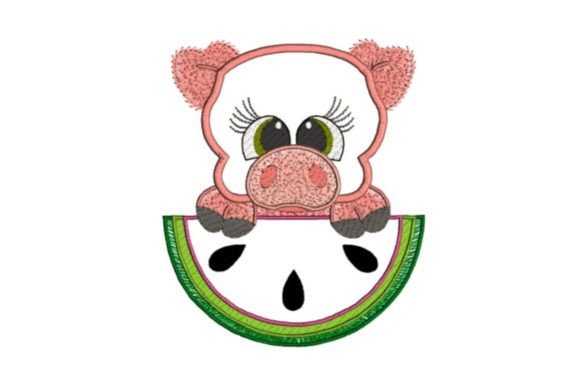
The first thing that strikes you about Cute Piglet and Melon is its inherent friendliness. The combination of an adorable baby pig and a watermelon slice creates an immediate sense of warmth and playfulness. For a business owner, this visual personality is crucial. It does not scream "corporate rigidness"; instead, it whispers "approachable," "handmade," and "joyful." This makes it an excellent candidate for brands that want to project a welcoming atmosphere, such as local bakeries, pet boutiques, or children’s clothing lines.
The design utilizes applique, which is a significant factor in its aesthetic appeal. Applique allows for large areas of color without excessive stitch buildup, resulting in a flatter, more modern look compared to dense satin stitches. This gives the Cute Piglet and Melon design a clean, premium feel that avoids the bulky texture often associated with lower-quality embroidery. For handmade product creators, this distinction is vital for maintaining a professional presentation.
Real-World Business Applications
When evaluating a digital embroidery file for small business merch, I always ask: where can this live? Cute Piglet and Melon is versatile, but it shines brightest in specific contexts. Here is how I envision this design performing in a commercial setting:
- Embroidered Patches: This is perhaps the strongest use case. The bold shapes of the pig and melon translate well to iron-on or sew-on patches. These can be sold as standalone accessories or used to customize denim jackets and tote bags.
- Apron Embroidery: For cafes, florists, or bakeries, staff aprons are walking billboards. Placing this design on the chest pocket area adds a touch of whimsy that customers love. It softens the uniform and makes staff appear more approachable.
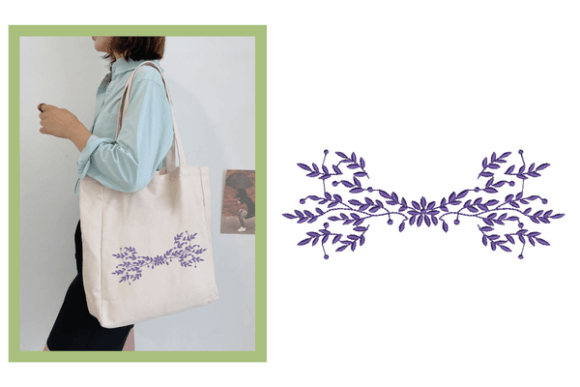
- Tote Bag Design: Canvas totes are a staple for eco-conscious brands. The applique technique works beautifully on heavier cotton canvas, providing a durable and attractive accent that enhances the perceived value of the bag.
- Cap Embroidery: While possible, this requires careful placement. The design could work on the side panel of a trucker cap or as a smaller accent on the front, provided the details are simplified for the curved surface.
- Product Packaging Accents: Small embroidered tags attached to handmade goods can elevate the unboxing experience. Using this design on a small fabric label adds a tactile element that printed paper cannot match.
Technical Considerations for Production
While the aesthetic is strong, the technical execution determines the longevity of the finished product. As a designer, I have several notes for those planning to use Cute Piglet and Melon in their production line.
Stitch Density and Fabric Texture: Because this is an applique design, the stitch density is generally lower than full-coverage embroidery. This is beneficial for lightweight fabrics like cotton poplin or linen, as it prevents puckering. However, when working with textured fabric, such as terry cloth towels or heavy wool, ensure that the applique fabric contrasts sufficiently with the base material. The thread colors must pop against both the applique fabric and the background to maintain clarity.
Hoop Size and Placement: Before purchasing, you must confirm the hoop size compatibility with your machine. While the description suggests it fits favorite fabrics, always check the dimensions against your standard hoop sizes. For small patch sizes, ensure the design scales down without losing the definition of the pig’s features or the melon seeds. If the details become too small, they may not stitch out cleanly, leading to a messy appearance that harms brand identity.
Stabilizer Selection: Do not skimp on stabilizer. Even with applique, the cut edges need support to prevent fraying over time, especially if the item will undergo frequent washing. Use a cut-away stabilizer for garments that will be laundered often, such as staff uniforms or children’s clothing. For decorative items like wall hangings or tote bags that see less wear, a tear-away may suffice, but testing is essential.
Brand Identity and Customer Trust
In the world of custom apparel and handmade goods, consistency is key. Cute Piglet and Melon can be a powerful tool for building brand recognition if used strategically. Imagine a pet grooming salon using this design on their service aprons and matching dog bandanas. The visual consistency across different touchpoints reinforces professionalism and trust.
Furthermore, the "cute" factor drives buyer engagement. Customers are more likely to share photos of products that feature charming, unique designs on social media. By incorporating this design into your Etsy branding or as a free gift with purchase, you encourage user-generated content. This organic marketing is invaluable for small businesses looking to expand their reach without a large advertising budget.
Where to Use Caution
Not every surface is suitable for this design. Avoid placing it on dark uniforms unless you are certain the thread colors provide enough contrast. Neon or bright threads on black fabric can sometimes look cheap if not digitized with proper underlay. Additionally, be cautious with tiny lettering if you plan to add text around the pig and melon. Complex fonts near detailed applique edges can cause threading issues and reduce readability.
Also, consider the washing instructions. Applique edges are vulnerable if not tacked down properly. Ensure your digitizing includes sufficient tack-down stitches around the perimeter of the watermelon and pig shapes. Test wash a sample piece before committing to a large production run to ensure the design maintains its integrity after multiple cycles.
Practical Steps for Implementation
To ensure success with Cute Piglet and Melon, follow these practical steps:
- Test in Black and White: Print or stitch a monochrome version first to check for clarity and spacing. If the design loses its shape without color, it may need adjustment.
- Create a Printable Mockup: Use design software to place the image on various products. This helps visualize scale and proportion before stitching a single thread.
- Check Commercial Licensing: Always confirm the license terms of the digital embroidery file. Ensure you have the right to use it for commercial embroidery projects and resale items.
- Compare Design Assets: Place this design alongside your existing logo and other graphics. Does it complement your current visual style, or does it clash? Consistency strengthens brand identity.
- Client Approval: If stitching for a client, provide a physical sample or a high-resolution photo of a test stitch-out. This manages expectations and ensures satisfaction with the final product.
In conclusion, Cute Piglet and Melon is a delightful asset for small business owners in the Baby Animals and general gift markets. Its applique nature offers a modern, clean look that performs well on various fabrics, from aprons to tote bags. By paying attention to technical details like stabilizer choice and stitch density, you can leverage this design to create high-quality, engaging merchandise that enhances your brand’s appeal. Whether you are an Etsy seller, a boutique owner, or a custom apparel decorator, this design offers a charming way to connect with your audience through the timeless appeal of handmade embroidery.