Elephant Butterfly: A Designer’s Review
As an embroidery designer who has spent years digitizing patterns and testing them on everything from flimsy silk to heavy denim, I approach every new machine embroidery design with a critical eye. It is not enough for a motif to look cute on a screen; it must hold up under the needle, survive the wash, and appeal to the end customer. Recently, I evaluated the Elephant Butterfly design, a charming piece categorized under Baby Animals, to determine its viability for real-world commercial and personal projects. Here is my practical assessment of how this design performs in the hoop.
First Impressions and Visual Appeal
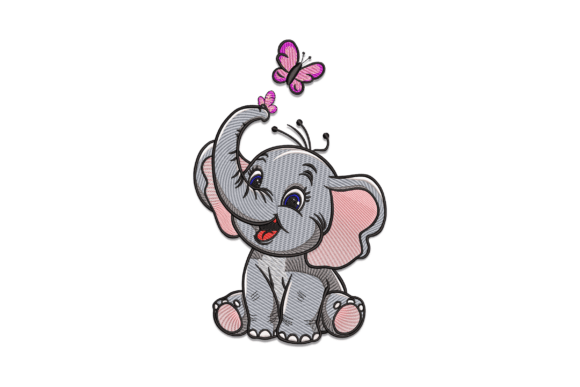
The first thing that strikes you about Elephant Butterfly is its inherent warmth. The composition features a playful elephant interacting with a delicate butterfly, creating a narrative of joy and wonder that is immediately engaging. For those of us in the craft business, visual storytelling is key. This design does not just sit on the fabric; it invites the viewer into a gentle moment. The layout balances the bulk of the elephant with the lightness of the butterfly, ensuring the design feels grounded yet airy.
From a technical standpoint, the silhouette is clean. In embroidery, complex shapes can often turn into muddy blobs if the stitch count is too high or the resolution too low. However, the distinct separation between the elephant’s form and the butterfly’s wings suggests a thoughtful approach to stitch density. This clarity is crucial when scaling the design down for smaller items like baby bibs or up for larger nursery decor pieces.
Real-World Application: The Custom Tote Test
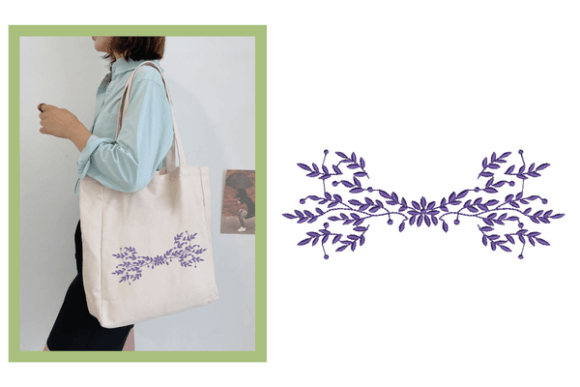
To truly understand the potential of an embroidery file, I mentally place it in a specific product context. Imagine a local boutique owner looking to create a line of eco-friendly tote bags for new mothers. The Elephant Butterfly design fits this tote bag design concept perfectly. When stitched onto a natural canvas tote, the whimsical nature of the elephant adds a premium, handmade feel that mass-produced prints cannot replicate.
In this scenario, the design serves as a focal point. Because the subject matter is universally appealing, it transcends specific trends. A customer buying this bag is not just purchasing a container; they are buying a personalized gift sentiment. The design’s ability to radiate joy makes it an excellent choice for baby showers or welcome-home presents. For an Etsy seller, this translates to higher perceived value and better conversion rates, as the emotional connection drives the purchase decision.
Versatility Across Product Lines
Beyond tote bags, this design demonstrates remarkable versatility. It is naturally suited for baby embroidery projects such as blankets, onesies, and burp cloths. The soft, rounded lines of the elephant are safe and inviting for infant products. However, do not limit its use to nurseries. I see strong potential in sweatshirt embroidery for older children or even adults who appreciate whimsical art. Placed on the left chest of a heather grey hoodie, the design becomes a subtle, stylish accent rather than a loud statement.
For those running a small shop product line, consider using this motif on aprons or kitchen towels. The interaction between the large animal and the small insect creates a balanced composition that looks professional on rectangular textiles. It also works well as an embroidered patch, allowing customers to iron or sew the design onto jackets, backpacks, or hats, adding a layer of customization to existing garments.
Technical Considerations and Fabric Choices
While the aesthetic is strong, a professional designer must address the technical realities of stitching Elephant Butterfly. The success of any embroidery project depends heavily on the interaction between the thread, the fabric, and the stabilizer.
- Fabric Texture: This design likely utilizes a mix of fill stitch for the elephant’s body and potentially satin stitch or running stitch for finer details like the butterfly wings. On textured fabrics like terry cloth or fleece, fine details can get lost. I recommend using this design on smoother fabrics like cotton poplin, linen, or stable knits to ensure crisp edges.
- Stabilizer Selection: Given the playful nature of the design, it may be used on stretchy fabrics like jersey for baby clothes. In these cases, a cut-away stabilizer is essential to prevent puckering and maintain the integrity of the elephant’s shape over time. For woven fabrics like tote bags, a tear-away stabilizer may suffice, but always test first.
- Thread Colors: The charm of this design relies on contrast. When planning your thread colors, consider the background fabric. On dark fabrics, ensure the elephant is outlined or filled with lighter threads to prevent it from disappearing. Conversely, on white baby blankets, soft pastels or classic greys will highlight the gentle mood of the piece.
Navigating Potential Challenges
No design is without its limitations. When working with Elephant Butterfly, be mindful of hoop size constraints. If you are attempting to stitch this on a curved surface, such as a cap, the bulk of the elephant’s body might cause distortion if the hoop is too small or the fabric is not properly stabilized. Caps require specialized backing and often benefit from simpler, less dense designs. Therefore, I would advise against using this specific motif on structured caps unless you have advanced experience with 3D puff or specialized cap frames.
Additionally, consider the washing instructions for the finished product. Items like baby blankets and kitchen towels undergo frequent laundering. Ensure that the stitch density is not so high that it compromises the fabric’s durability, nor so low that the threads snag easily. A balanced density ensures the design remains vibrant and intact after multiple wash cycles, which is critical for maintaining customer trust and reducing returns.
Commercial Viability and Branding
For commercial embroidery professionals and digital product sellers, licensing is paramount. Before selling items made with Elephant Butterfly, always confirm the license terms provided with the digital embroidery file. Most designers allow for physical sales of finished goods but restrict the resale of the digital file itself. Understanding these boundaries protects your business and respects the creator’s intellectual property.
From a branding perspective, this design aligns well with businesses focused on warmth, family, and creativity. Using it in your printable mockup portfolios can attract clients looking for gentle, high-quality aesthetics. It enhances brand consistency by offering a cohesive look across various products, from nursery decor to adult apparel.
Final Verdict and Designer Notes
In conclusion, Elephant Butterfly is a robust addition to any designer’s library. It offers a blend of emotional appeal and technical feasibility that suits a wide range of applications. To get the best results:
- Test on Scrap Fabric: Always run a test stitch-out on the same fabric type you intend to use for the final product. This allows you to adjust tension and check for any registration issues.
- Check Contrast: View your design in black and white to ensure the shapes are distinct. If the elephant blends into the background, adjust your thread choices.
- Verify Details: Inspect small details like the butterfly’s antennae or the elephant’s eyes. Ensure they are not too fine for your machine’s needle size.
- Confirm Licensing: Double-check the usage rights for commercial sales to ensure compliance with the designer’s terms.
Whether you are creating a holiday embroidery gift, stocking your online store, or making a special present for a friend, this design delivers on its promise of charm and quality. It is a reliable, versatile asset that, when executed with care, will result in a beautiful, professional-looking handmade product.