Cozy Snowman: A Designer’s Review for Winter Projects
As an embroidery designer who has spent countless hours digitizing, stitching, and critiquing machine embroidery designs, I approach every new file with a mix of curiosity and skepticism. We have all seen those generic winter motifs that look charming on a screen but turn into a tangled mess of thread on fabric. So, when I loaded the Cozy Snowman design into my software to evaluate it for real-world application, I was looking for more than just cuteness. I was looking for stitch logic, visual balance, and commercial viability.
This review is written from the perspective of someone who needs to know how a design performs before committing to a client project or adding it to an Etsy shop inventory. If you are a craft business owner, a hobbyist making personalized gifts, or an apparel decorator, this breakdown will help you decide if this winter-themed asset belongs in your digital library.
First Impressions: Mood and Visual Personality
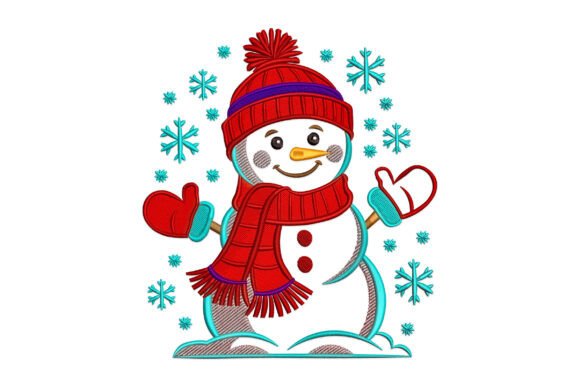
The first thing that strikes you about the Cozy Snowman is its approachable warmth. In the world of Winter Embroidery, it is easy to fall into the trap of icy blues and stark whites, but this design leans into the "cozy" aspect of its name. The layout suggests a friendly, rounded character rather than a rigid geometric figure, which immediately signals that it is suitable for soft goods.
From a design standpoint, the silhouette appears balanced. It does not rely on overly intricate details that might get lost in the stitching process. Instead, it uses shape and proportion to convey personality. This is crucial for a machine embroidery design intended for items like towels or t-shirts, where the viewer is often at a distance. The visual personality is lively yet calm, making it versatile enough for both children’s items and sophisticated home decor.
Real-World Application: Where This Design Shines
To truly test a design, you have to imagine it on actual products. I mentally placed the Cozy Snowman on several common substrates to gauge its effectiveness.
- Sweatshirt Embroidery: This is perhaps the strongest use case. The design’s likely use of fill stitch areas would provide excellent coverage on fleece or cotton blends. A left-chest placement on a hoodie or crewneck creates a subtle, branded look that appeals to boutique customers.
- Tote Bag Design: For canvas totes, the design needs to hold up against the coarse fabric texture. The bold lines of the snowman suggest it would stitch out cleanly without sinking into the weave, provided the correct stabilizer is used.
- Kitchen Towels and Aprons: Holiday embroidery sells exceptionally well in the kitchen category. A tea towel featuring this snowman could be a quick, high-margin item for small shop products. The design’s simplicity allows for fast stitching, which is vital for production runs.
- Baby Embroidery: Soft, rounded shapes are ideal for nursery decor or baby blankets. However, one must be cautious with stitch density on delicate fabrics. If the design is dense, it might stiffen a thin muslin or jersey knit.
For an Etsy seller, this design offers flexibility. It can be marketed as a personalized gift option, perhaps paired with a name in a complementary script font. The key is ensuring the snowman does not overpower the text, maintaining a harmonious composition.
Technical Considerations and Stitching Performance
While the aesthetic appeal is strong, the technical execution is what determines whether a finished product looks professional or amateur. Here are the critical factors I evaluated for the Cozy Snowman.
Stitch Types and Density
A design like this typically relies on a combination of satin stitch for outlines or small details and fill stitch for the body. Satin stitches provide a shiny, smooth finish that catches the light, adding dimension. However, if the satin columns are too wide, they may snag or loop. I recommend checking the digitizing to ensure any wide areas are broken up with underlay stitches or converted to fill patterns for stability.
Running stitch elements might be used for finer details, such as facial features or scarf patterns. These need to be short and tight to prevent looping on stretchy fabrics. If you are stitching on a custom apparel item like a t-shirt, the difference between a well-digitized running stitch and a poor one is the difference between a crisp line and a messy squiggle.
Fabric and Hoop Constraints
Not every fabric is a friend to every design. The Cozy Snowman should be tested on scrap fabric before committing to a final piece.
- Textured Fabrics: On terrycloth or fleece, ensure the design has enough density to bridge the gaps in the fabric texture. Otherwise, the underlying material will show through, ruining the clean look.
- Stretchy Fabric: Knits require a cut-away stabilizer to prevent distortion. The weight of the embroidery can pull the fabric, causing the snowman to look warped after washing.
- Dark Fabric: If stitching on black or navy, consider using a lighter underlay or testing thread colors for contrast. Some digital previews do not accurately represent how thread colors interact with dark backgrounds.
- Curved Surfaces: Stitching on caps or curved pillow covers requires careful hooping. If the design is too large for the available hoop size, it may need to be resized, which can affect stitch density and clarity.
Commercial Viability and Brand Consistency
For those running a craft business, the Cozy Snowman is more than just a pretty picture; it is a design asset that contributes to brand identity. Consistency in quality builds customer trust. If this design stitches out cleanly, with minimal thread breaks and no bird’s nests on the back, it reflects professionalism.
When creating printable mockup images for your online store, ensure the digital representation matches the physical reality. Use high-quality photos of the stitched item on various backgrounds—white, cream, and pastel tones work best for winter themes. Highlight the texture of the threads to emphasize the handmade quality of the embroidered patch or direct stitch.
It is also essential to verify the licensing terms of the digital embroidery file. Most designers allow for commercial use of finished physical items, but restrictions may apply to sharing the file itself. Always confirm these details to protect your business from legal issues.
Practical Designer Notes for Best Results
Before you hit "start" on your machine, keep these practical tips in mind to ensure the Cozy Snowman meets your standards:
- Test on Scrap: Always stitch a test sample on the same type of fabric you intend to use for the final product. This reveals issues with tension, density, or color contrast.
- Check Thread Colors: Swap out standard white thread for off-white or cream if you want a softer, vintage look. Contrast thread colors can highlight specific details, such as the snowman’s scarf or buttons.
- Inspect Small Details: Zoom in on the design file to check for tiny, isolated stitches that may not anchor well. These can often be removed or merged without affecting the overall look.
- Use Proper Stabilizer: Match the stabilizer to the fabric. Tear-away for stable woven fabrics, cut-away for knits, and water-soluble for delicate or pile fabrics like velvet.
- Verify Hoop Size: Ensure the design fits comfortably within your hoop, leaving enough margin for clamping. Forcing a design to the edge can cause shifting and misalignment.
In conclusion, the Cozy Snowman offers a charming and versatile option for winter-themed projects. Its success lies in the balance between visual appeal and technical execution. By understanding its strengths and limitations, you can leverage this design to create high-quality, sellable items that resonate with customers seeking the warmth of handmade craftsmanship. Whether for a holiday embroidery collection or year-round cozy apparel, this design has the potential to be a staple in your creative toolkit, provided it is handled with the care and attention it deserves.