Wicked Design: A Pro Review for Small Business Merch
As an embroidery designer who has spent years digitizing and testing files for commercial use, I approach every new machine embroidery design with a critical eye. It is not just about whether a pattern looks pretty on a screen; it is about how it performs under the needle, how it holds up after fifty washes, and most importantly, how it elevates a brand. Today, I am reviewing the Wicked Design, a captivating creation that promises uniqueness and stands out in a crowded market of generic clipart.
The product description highlights that this embroidery file thrives on uniqueness and intertwines art and craft skills. For small business owners, Etsy sellers, and apparel decorators, this promise of distinctiveness is crucial. In the world of commercial embroidery, standing out is half the battle. Let us dive into how this design functions as a practical asset for your branded merchandise, from patches to uniforms.
First Impressions: Visual Personality and Brand Fit
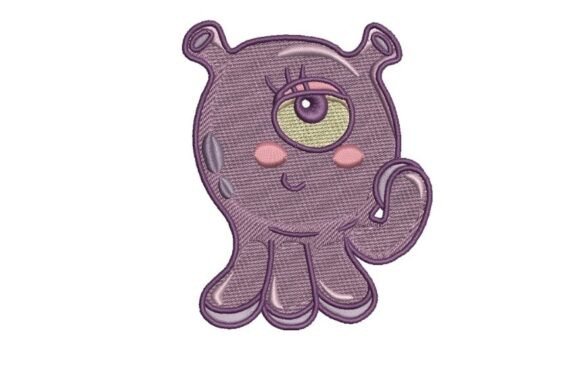
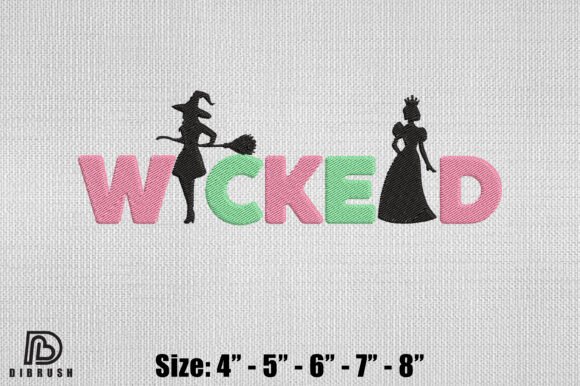
When I first loaded the preview for Wicked Design, the immediate impression was one of bold character. The title suggests a playful edge, likely leaning into the Halloween category, but its application extends far beyond seasonal decor. The design feels professional yet spirited, striking a balance between decorative flair and structured clarity.
For a boutique, creative studio, or handmade shop, this visual personality is a goldmine. It does not scream "cheap novelty." Instead, it offers a curated aesthetic that can signal creativity and attention to detail. If your brand identity is built on being unique, quirky, or artistically driven, this design aligns perfectly. It avoids the sterile look of corporate logos while maintaining the cleanliness required for professional custom apparel.
Real-World Applications for Small Business Merch
The true test of any digital embroidery file is its versatility. Here is how I envision Wicked Design performing across various product lines for small businesses:
- Embroidered Patches: This is perhaps the strongest use case. The design’s intricate details, which demonstrate masterful craft skills, translate beautifully into iron-on or sew-on patches. These can be sold as standalone handmade products or used as value-added extras for clothing purchases.
- Staff Uniforms and Aprons: For cafes, bakeries, or florists, staff attire is a walking billboard. Using this design on an apron embroidery pocket adds a touch of whimsy without sacrificing professionalism. It creates a memorable visual cue for customers.
- Cap Embroidery: Placing the design on the front panel of a dad hat or trucker cap can create a trendy, streetwear-inspired look. However, curvature matters, which I will address in the technical notes below.
- Tote Bag Design: Canvas totes are staples for markets and boutiques. A well-digitized version of this design can serve as a central focal point, turning a simple bag into a desirable accessory.
- Event Merch and Customer Gifts: Whether for a local craft fair or a special store anniversary, this design works well on limited-edition items, fostering buyer engagement and community connection.
Technical Considerations and Production Challenges
While the artistic merit of Wicked Design is high, production reality requires careful planning. As a designer, I must warn against blind execution. Here are the critical factors to evaluate before you start stitching:
Stitch Density and Fabric Texture
The description mentions that the design masterfully demonstrates embroidery skills, which often implies complex stitch work. High stitch density can look premium, but it poses risks on lightweight fabrics. If you are embroidering on a thin cotton tote or a delicate shirt, the fabric may pucker. Always test on a scrap piece of your actual material. For textured fabrics like canvas or denim, ensure the digitizing accounts for the weave so details do not get lost.
Size Constraints and Legibility
Not all designs scale well. If you plan to use this as a small chest logo or on a curved cap front, check the minimum viable size. Tiny lettering or fine outlines can merge together if the design is shrunk too much. I recommend creating a printable mockup at 100% scale to inspect spacing and clarity. If the design relies on very thin lines, it may not be suitable for small embroidered patch applications where durability is key.
Thread Colors and Contrast
The impact of Wicked Design relies heavily on thread colors. On dark uniforms, you will need high-contrast threads to ensure visibility. Conversely, on light merchandise, subtle tonal variations can create a sophisticated, understated look. Always run a test stitch-out to verify that your chosen color palette maintains the design’s integrity and does not blend into the background fabric.
Enhancing Brand Identity and Customer Trust
Why does the choice of design matter for business growth? Consistency builds trust. When customers see a high-quality, unique design like Wicked Design on your packaging, uniforms, or products, it signals that you care about quality. It moves your brand away from generic, mass-produced aesthetics and toward a curated, artisanal feel.
This perception of quality directly influences product value. A plain tote bag might sell for $10, but one featuring a striking, well-executed embroidery design can command $25 or more. The design becomes part of the brand identity, aiding in recognition. When a customer sees that specific "wicked" motif again, they recall their positive experience with your shop. This visual consistency is vital for building a loyal customer base in the competitive landscape of Etsy and local retail.
Practical Designer Notes for Implementation
Before you commit to a large production run, follow these steps to ensure success with your design assets:
- Test in Black and White First: Remove color from your view to check for contrast and definition. If the design loses its shape without color, it may need digitizing adjustments.
- Verify Hoop Size: Ensure the design fits comfortably within your machine’s hoop size without requiring excessive re-hooping, which can lead to misalignment.
- Use Proper Stabilizer: Match your stabilizer to the fabric weight. Cut-away stabilizers are generally best for garments that will be washed frequently, ensuring the design remains stable over time.
- Check Commercial Licensing: This is non-negotiable. Confirm that your purchase of the digital embroidery file includes rights for commercial use. You must be clear on whether you can sell finished products or if there are restrictions on quantity.
- Create Client Mockups: If you are doing custom work for clients, present a realistic mockup. Show them how the design looks on a cap versus a tote. Managing expectations early prevents dissatisfaction later.
In conclusion, Wicked Design is a strong contender for small business merchandise. It offers the uniqueness that modern consumers crave while providing the structural potential for professional application. By respecting the technical limits of embroidery and strategically applying the design to the right products, you can transform a simple digital file into a powerful tool for brand growth. Remember to check the specific file format and stitch count details provided by the creator, as these will dictate your final production strategy. Happy stitching!